 how-to
Why Windshield Seals Fail After Replacement
Table of Contents
- Common Causes of Windshield Seal Failure After Replacement
- How Long to Wait After Windshield Replacement
- Signs of Bad Windshield Installation
- Environmental and Vehicle Factors Affecting Seal Integrity
- Windshield Leak Repair Cost and When to Replace vs. Reseal
- How to Protect Your Windshield After Replacement
- Conclusion
Last Updated: August 21, 2026
Common Causes of Windshield Seal Failure After Replacement
Windshield seal failure after replacement traces back to three critical areas: how the technician applies adhesive, how thoroughly they prepare the surface, and how long they allow the bond to cure. Installation quality determines longevity, poor execution leads to leaks within months rather than years.
Improper Installation and Adhesive Application
The urethane adhesive bonding your windshield to the pinchweld must be applied evenly around the entire perimeter with consistent pressure and thickness. Gaps, thin spots, or uneven application create pathways for water ingress. Many installers rush this step, applying adhesive too quickly, skipping sections, or failing to work it into the pinchweld properly. The bonding agent needs direct contact with both glass and vehicle frame to create a watertight seal.
Glass displacement during installation also matters. If the windshield isn't seated correctly into the adhesive bead, pressure points develop unevenly, creating stress on certain sections while leaving others loose. Vibration from driving causes the glass to shift, and those weak points fail first. Proper installation requires consistent downward pressure across the entire glass surface while the urethane sets.
Surface Contamination and Inadequate Preparation
Before adhesive touches glass or metal, both surfaces must be completely clean. Dust, oil, rust, or old sealant residue prevents the bonding agent from creating a molecular bond. The pinchweld often has rust, corrosion, or old adhesive clinging to it. If not removed completely, new adhesive bonds to contamination instead of metal, compromising structural integrity.
Primer application is equally critical, it creates a chemical bridge between the metal pinchweld and urethane adhesive. Without it, the bond is weaker. Some technicians skip primer entirely or apply it unevenly, creating inconsistent adhesion across the perimeter. The glass frame itself also needs cleaning; any residue from manufacturing or shipping reduces adhesion at the glass edge.
Insufficient Curing Time
Urethane adhesive reaches full strength over 24 hours through a chemical reaction (peer-reviewed research). Driving the vehicle before the adhesive fully cures is one of the fastest ways to compromise a windshield seal. During curing, vibration and pressure on the glass can disrupt the process. Water exposure during this critical window also interferes with the chemical bond.
Temperature and humidity affect curing speed. Cold weather slows the process, sometimes extending it beyond 24 hours (peer-reviewed research). Technicians should account for weather conditions when setting curing expectations. If a windshield is installed on a cold day and immediately exposed to freezing temperatures, the adhesive may not cure properly.
How Long to Wait After Windshield Replacement
The standard recommendation is to wait 24 hours before driving after windshield replacement. This allows the urethane adhesive to fully cure and reach maximum bond strength. Avoid driving at all during this period, no short trips, highway speeds, or sudden acceleration. Any vehicle movement creates vibration that disrupts curing. After 24 hours, most modern adhesives reach 80-90% strength, with full strength developing over 48-72 hours (peer-reviewed research).
Some premium adhesives cure faster, reaching adequate strength in 12-18 hours, but standard urethane adhesives require the full 24-hour window. Cold temperatures slow curing dramatically; if installed below 50°F, add extra time. Ideally, replacement happens between 60-80°F. Ask your technician which adhesive was used and follow their specific recommendation.
Signs of Bad Windshield Installation
Recognizing poor installation early prevents water damage inside your vehicle.
Water Leaks and Interior Moisture
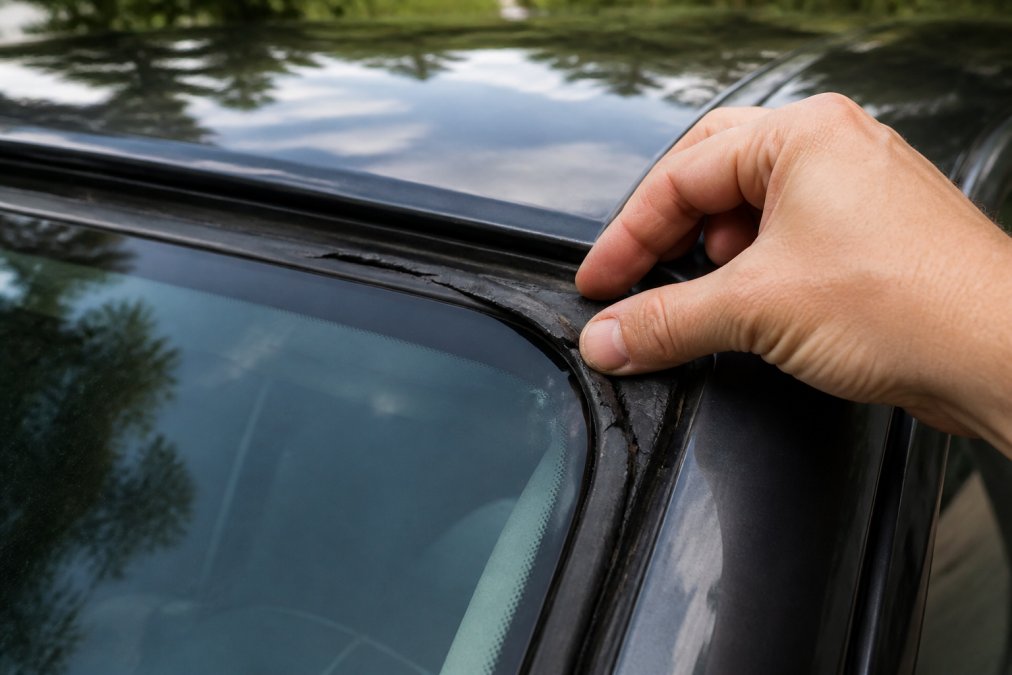
Water appearing on your interior headliner, door panels, or carpet near the windshield indicates seal failure. This typically enters from the top corners or sides where the pinchweld meets the glass. Interior water damage leads to rust, mold growth, and electrical problems.
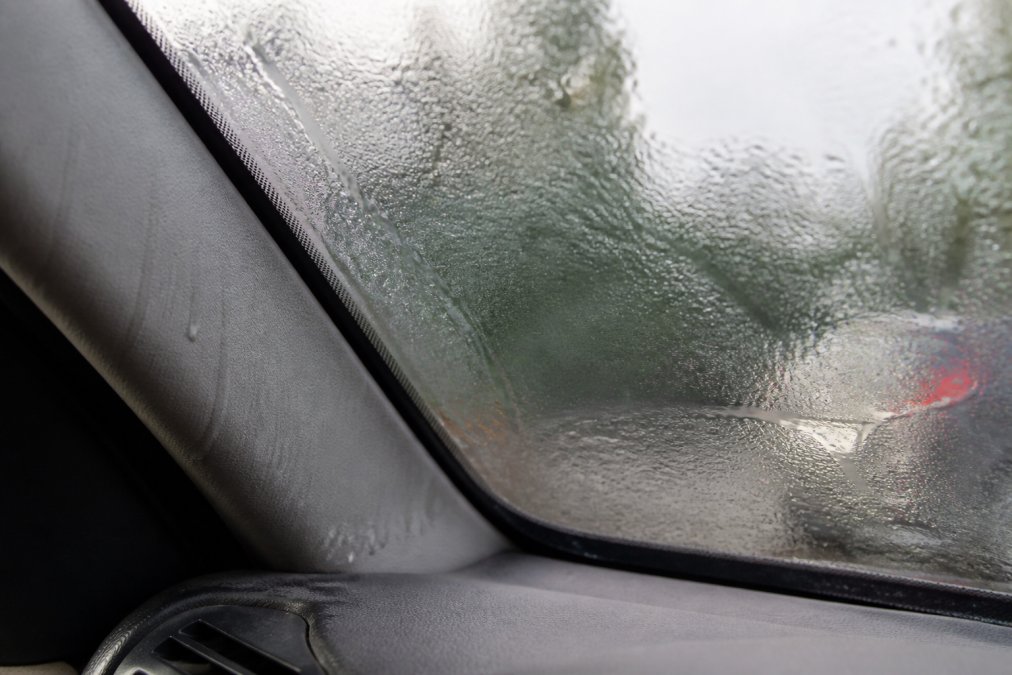
Moisture accumulation without obvious leaking is also problematic. Excessive window fogging or a damp smell indicates slow water entry around the seal. Check floor mats and carpeting for dampness, especially after heavy rain.
Wind Noise and Gaps
Unusual wind noise around the windshield indicates the glass isn't seated properly in the adhesive bead. Air passing through gaps creates whistling or rushing sounds, particularly at highway speeds. Visual gaps between the windshield and body panel are even more obvious, the glass should sit flush with no visible separation.
Visual Misalignment
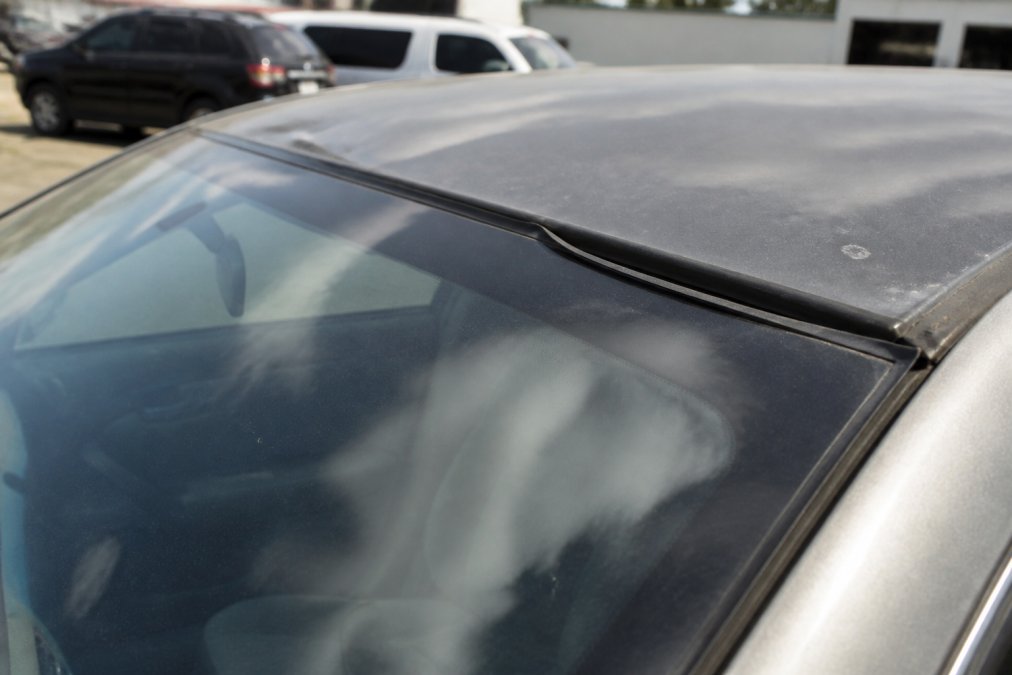
The windshield should sit perfectly centered with equal spacing on all sides. If tilted, higher on one side, or noticeably offset, installation was improper. Misalignment creates uneven pressure on the adhesive bead, accelerating failure in stressed areas. Check the molding too; it should sit evenly against the glass all the way around.
Environmental and Vehicle Factors Affecting Seal Integrity
Even perfectly installed windshields can fail prematurely under extreme conditions. Repeated heat and cold cycles cause the adhesive to expand and contract, fatiguing the bond over time. Vehicles parked in direct sun experience more temperature variation than those in shade.
Collision damage or minor impacts near the windshield create stress on the seal. Even without cracking, impacts transfer force through the frame to the adhesive bond. Repeated minor impacts gradually weaken the seal. Moisture accumulation in the pinchweld accelerates corrosion; trapped water causes rust expansion, which cracks or separates the adhesive. This is particularly problematic in coastal areas or regions using road salt.
Certain vehicle models are more susceptible to seal failure due to frame design stress points. Larger windshields experience more wind pressure at highway speeds. Vehicles with ADAS systems using windshield-mounted cameras put extra strain on installation if the bracket isn't properly supported.
Windshield Leak Repair Cost and When to Replace vs. Reseal
Small leaks localized to one area might be resealed without full replacement. A technician can apply additional sealant to stop water ingress. This is a temporary fix, resealing works best when the original adhesive bond is mostly intact and only a small section has failed. However, resealing is less reliable than full replacement because new adhesive layered over old never bonds as strongly.
Full replacement is necessary when the seal has failed across multiple sections, water damage is present inside the vehicle, or the glass is misaligned. Replacement is also better if your windshield is under warranty. Most quality installations include lifetime warranties covering seal failure. BL Auto Glass handles insurance claims from start to finish, often resulting in zero deductible under Florida law for comprehensive coverage. If paying out of pocket, get multiple quotes, don't choose based solely on price, as installation quality determines seal longevity.
How to Protect Your Windshield After Replacement
Wait the full 24 hours before driving. During this window, keep your vehicle in a garage or shaded area. Avoid temperature extremes and don't wash the windshield or expose it to water. If rain is forecast, park under cover.
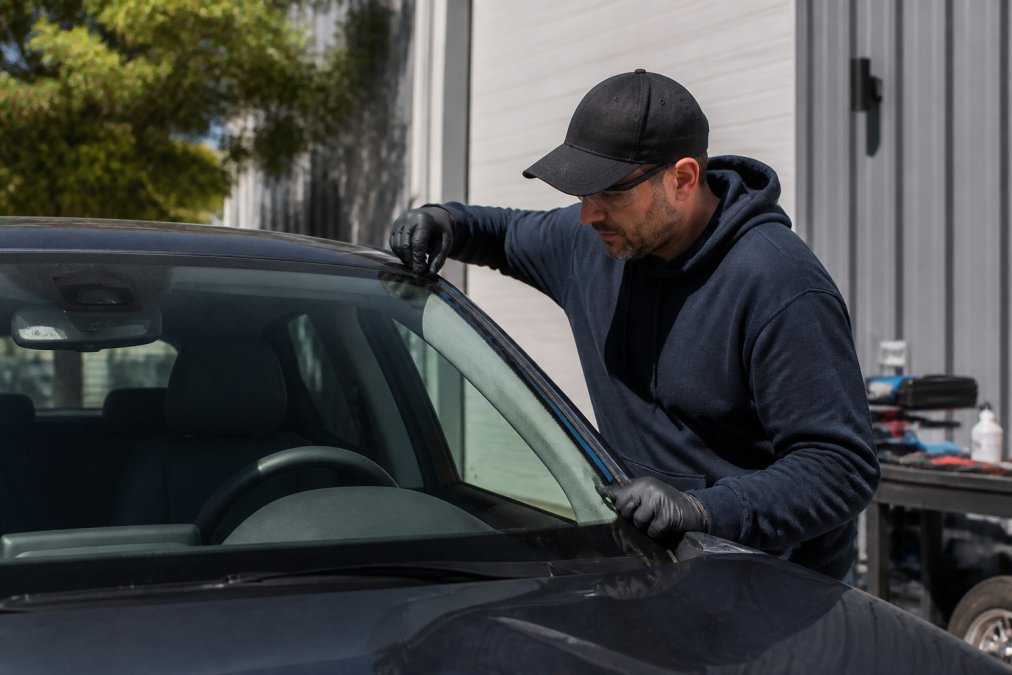
After 24 hours, drive normally but gently for the first week. Avoid highway speeds and car washes; high-pressure water stresses the new seal. Avoid rough roads and potholes. Regular maintenance extends seal life, keep the rubber molding clean and free of debris. Inspect the windshield monthly for water leaks or gaps.
Protect your windshield from impacts when possible by driving carefully over bumps and maintaining safe following distances. If your vehicle has an ADAS system with a windshield-mounted camera, ensure recalibration was completed after installation. Park in shade when possible; prolonged sun exposure accelerates adhesive degradation. In winter, park in a garage to minimize thermal stress from freeze-thaw cycles.
Windshield seal failure after replacement is preventable with proper installation and aftercare. Your windshield is a structural component, not just glass, poor installation compromises safety and leads to expensive water damage. If you notice water leaks, wind noise, or visible gaps, have it inspected immediately. BL Auto Glass provides professional windshield replacement with a lifetime warranty, free mobile service, and complete insurance claim handling. If you're experiencing seal failure or need replacement, Book Now with BL Auto Glass and get your windshield properly installed the first time.
Frequently Asked Questions
Q: How long should I wait to drive after a windshield replacement?
A: Most urethane adhesive requires 24 hours of curing before the vehicle is safe to drive. During this period, avoid sudden stops, rough roads, and pressure changes in the cabin. Some technicians recommend waiting 48 hours for maximum structural integrity. Temperature and humidity affect curing speed, so cooler or more humid conditions may require longer wait times. Your technician will provide specific guidance based on weather conditions and the adhesive used.
Q: What are the common signs of a failing windshield seal?
A: Water leaks into the cabin, visible moisture or condensation between the glass and interior trim, wind noise around the edges, and molding that appears loose or separated from the body indicate seal failure. Interior water damage, rust on the door frame or dashboard, and a musty odor also signal water ingress. Some failures develop immediately after installation due to improper adhesive application or surface contamination, while others emerge weeks later as the urethane cures improperly or environmental stress weakens the bond.
Q: Can poor-quality adhesive cause windshield leaks?
A: Yes. Low-grade urethane adhesive may not cure properly, shrink during curing, or fail to bond adequately to the glass and pinchweld. Factory-specification adhesive is formulated to cure at specific rates and maintain structural integrity under temperature extremes and collision impact. Using substandard materials or applying insufficient adhesive bead compromises the glass bond and allows water ingress. Professional installers use OEM-approved adhesive and and follow manufacturer curing protocols to ensure lasting seal integrity.
Q: What should I avoid after a windshield replacement?
A: Do not wash the vehicle, drive through car washes, or expose the windshield to water spray for at least 24-48 hours. Avoid slamming doors, which creates pressure changes that stress the adhesive. Do not apply suction cup racks or roof-mounted equipment during the curing period. Keep windows closed to maintain cabin pressure and prevent moisture from entering the seal. Extreme temperature changes, such as parking in direct sun immediately after replacement, can also stress the urethane and cause uneven curing.
This article was written using GrandRanker