 how-to
Same-Day Windshield Repair for Cracks: A Complete Guide
Table of Contents
- What Same-Day Windshield Repair for Cracks Actually Means
- How to Prevent Windshield Cracks From Spreading Before Your Appointment
- How Long Does Windshield Repair Take: What to Expect
- Windshield Repair vs Replacement Criteria: Which Do You Need?
- The Same-Day Repair Process: What Happens On Site
- Insurance Coverage and Your $0 Deductible
- After Your Repair: Care Instructions and ADAS Recalibration
- Conclusion
Last Updated: August 23, 2026
What Same-Day Windshield Repair for Cracks Actually Means
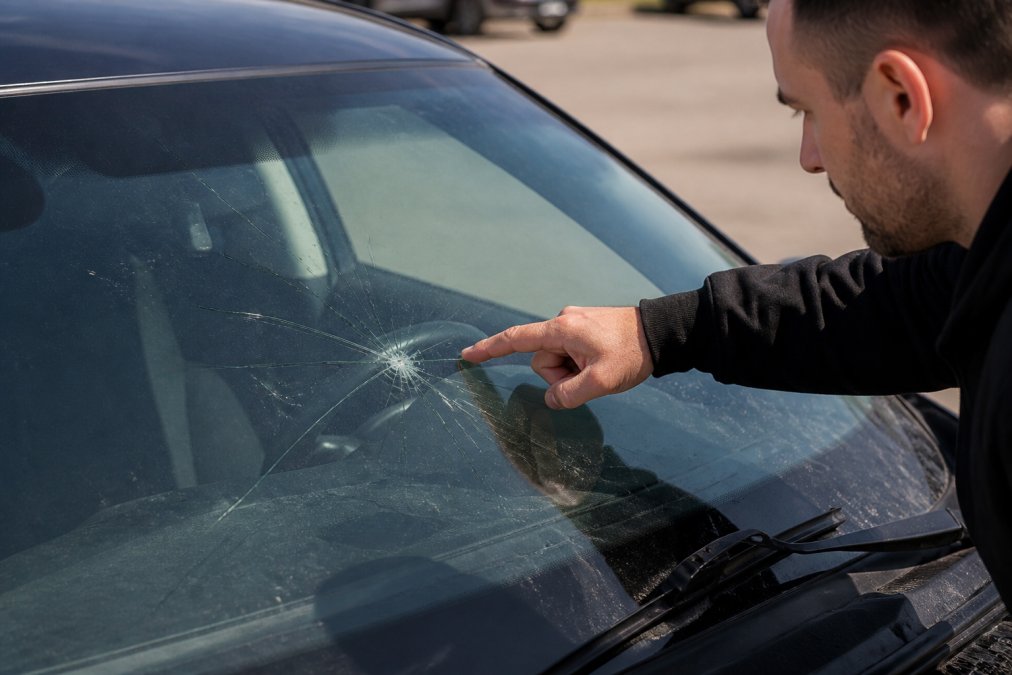
Same-day windshield repair for cracks is the ability to have a damaged windshield assessed, repaired, and made safe to drive within a single business day, often in hours. This service uses specialized polymer injection techniques to seal cracks and restore structural integrity without requiring full replacement. The process addresses small chips, bullseye breaks, star breaks, and stress cracks that haven't compromised vehicle safety.
At BL Auto Glass, we understand that a cracked windshield weakens your vehicle's structural support system and can fail during impact or harsh weather. Federal Motor Vehicle Safety Standards require windshields to maintain specific optical clarity and structural strength (nhtsa.gov). Same-day service eliminates the waiting period that forces drivers to operate an unsafe vehicle.
Not every crack qualifies for repair. The damage location, size, and type determine whether a technician can seal it with resin or whether replacement becomes necessary. A chip smaller than a dollar bill, positioned away from the driver's line of sight, typically qualifies for repair. A crack longer than 12 inches or positioned directly in the driver's visual field usually requires replacement.
How to Prevent Windshield Cracks From Spreading Before Your Appointment
A small chip or crack doesn't stay small. Temperature changes, road vibration, and driving pressure cause existing damage to expand. Preventing spread keeps your repair option alive and avoids expensive replacement.
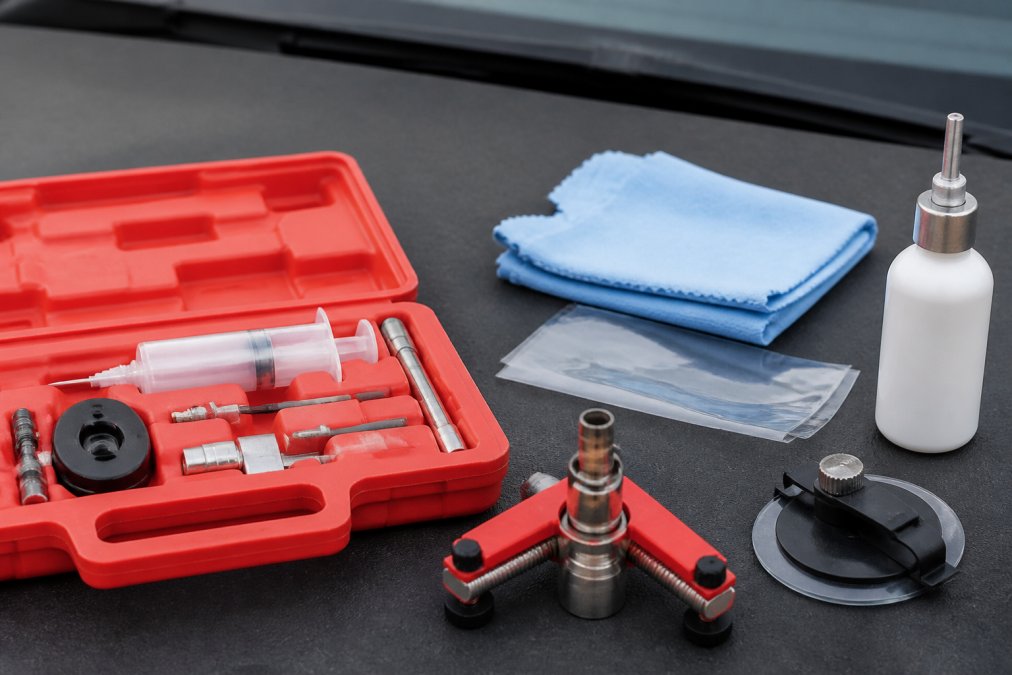
Stop driving the vehicle if the damage is severe or in your direct line of sight. Minor chips away from the driver's view can usually be monitored, but movement accelerates crack propagation. Each bump sends vibration through the glass, pushing the crack further.
Temperature extremes are a common culprit. Parking in direct sun heats the glass unevenly, creating internal stress. Blasting air conditioning on a hot day or driving through cold rain compounds the problem. Park in shade and avoid sudden temperature changes. Don't use hot water to defrost a windshield in winter, thermal shock can turn a small chip into a spiderweb of cracks.
Moisture infiltration is another concern. If water enters a chip or crack, it can freeze during cold nights, expanding and widening the damage. Avoid car washes that use high-pressure spray directly on the damaged area. If rain is forecast, consider covering the vehicle or parking under shelter until repair is scheduled.
Direct impact accelerates spread immediately. Avoid slamming doors, closing the trunk hard, or allowing passengers to lean against the windshield. Keep the vehicle away from construction sites or areas where road debris is likely.
Document the damage with photos before it worsens. This record helps your insurance company assess the claim and protects you if questions arise later.
How Long Does Windshield Repair Take: What to Expect
The actual repair process is surprisingly quick. Once a technician arrives on site, the work typically takes 30 to 60 minutes from start to finish, including assessment, preparation, resin application, curing, and a final safety check.
Timeline varies based on damage type and location. A single bullseye chip in a low-stress area might take 30 minutes. A longer crack or a chip positioned near the edge requires more careful work and can extend to 60 minutes. The technician must ensure the resin fully penetrates the damage and cures properly before the vehicle is driven.
Mobile technicians can typically arrive within 2 to 4 hours of booking, depending on service demand and your location. BL Auto Glass offers same-day appointments that fit your availability, morning, afternoon, or early evening. Book early and repair can be completed before lunch. Book in the afternoon and you're back on the road by evening.
Most modern resins cure in 24 hours, though the vehicle can be driven within 1 to 2 hours of completion (peer-reviewed research). The technician will explain the specific curing timeline for your repair. Avoid car washes and heavy rain during the first 24 hours to protect the fresh seal.
Windshield Repair vs Replacement Criteria: Which Do You Need?
The decision between repair and replacement depends on damage size, location, type, and whether the windshield's structural integrity is compromised.
Repair is appropriate when:
- The chip or crack is smaller than 12 inches in length
- The damage is not in the driver's direct line of sight
- The damage does not extend to the edge of the windshield
- There is only one point of impact
- The windshield's structural integrity remains intact
Bullseye chips, star breaks, and combination breaks are all candidates for repair if they meet size and location criteria. Repair preserves your windshield and costs significantly less than replacement.
Replacement is necessary when:
- The crack exceeds 12 inches in length
- The damage is in the driver's line of sight and obstructs vision
- The damage extends to the windshield's edge or frame
- Multiple impact points exist across the windshield
- The windshield has stress cracks that indicate structural failure
A windshield with multiple separate damage areas or compromised laminated safety layer cannot be reliably repaired. Replacement ensures the vehicle meets Federal Motor Vehicle Safety Standards and provides proper structural support in a collision.
Location is critical. A chip directly in the driver's line of sight must be addressed with replacement, even if small. Optical distortion in this zone affects visibility and is considered unsafe by regulatory standards.
The Same-Day Repair Process: What Happens On Site
When a technician arrives for same-day windshield repair, the process follows a systematic approach that ensures quality and durability.
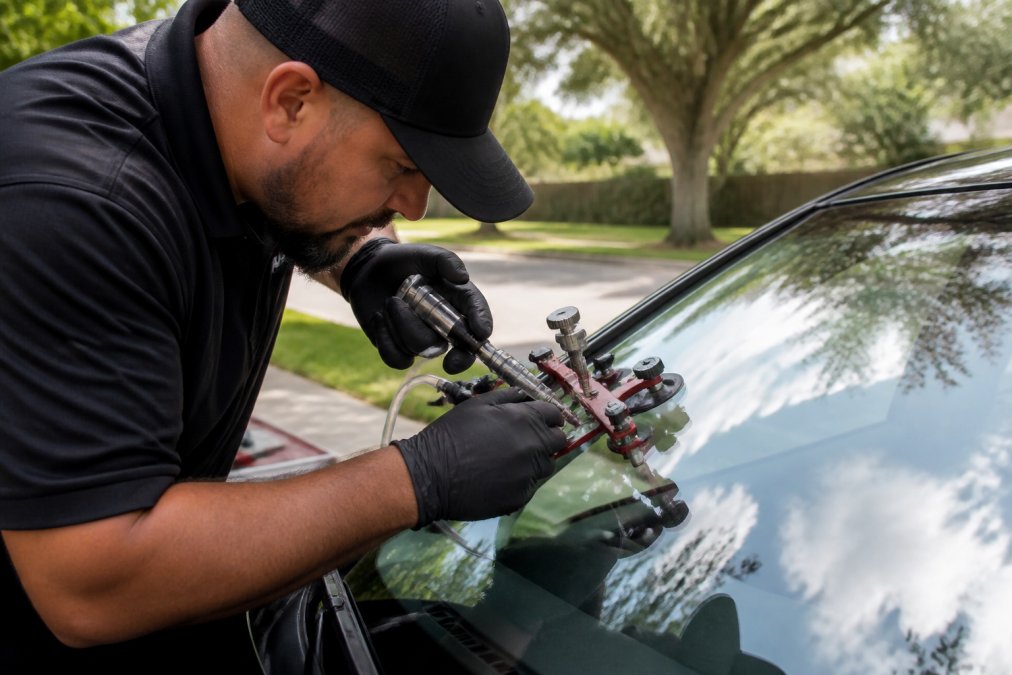
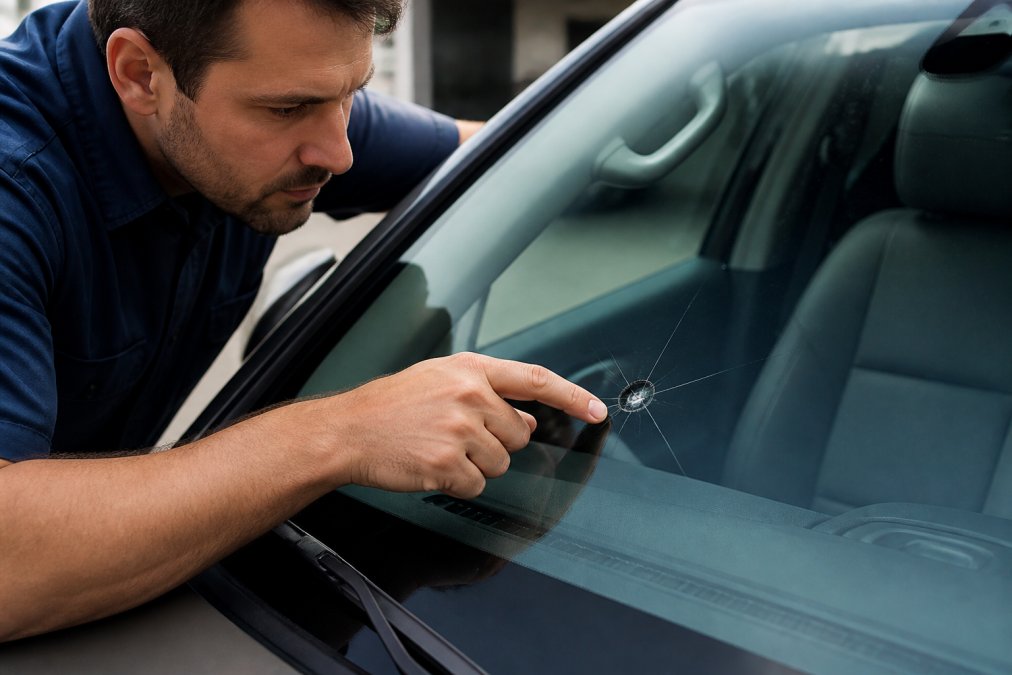
Step 1: Visual Inspection The technician examines the damage under bright light to determine exact size, depth, and type of crack. They assess whether the damage qualifies for repair or requires replacement. This inspection takes 5 to 10 minutes and is non-invasive.
Step 2: Preparation The area around the damage is cleaned and dried thoroughly. Any dirt, moisture, or debris inside the crack is removed using specialized tools. The technician may use a small vacuum or compressed air to ensure the crack is completely clear. This step is essential because resin cannot bond properly if the crack contains contaminants.
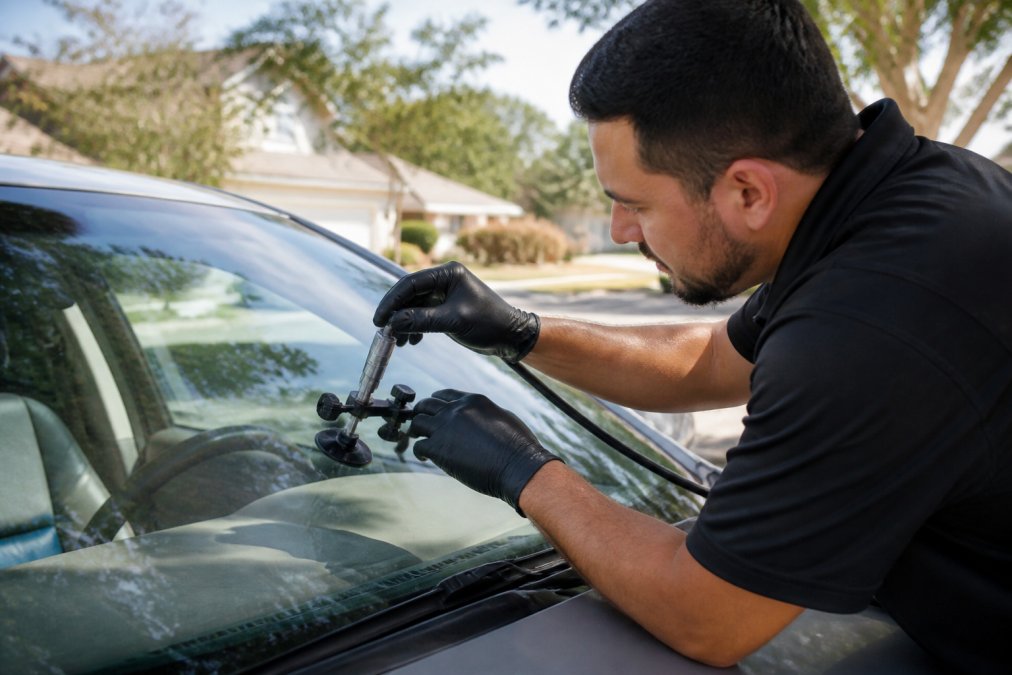
Step 3: Resin Application A specialized polymer resin is injected directly into the crack using a precision applicator. The resin flows into all micro-fractures within the glass, filling voids and restoring the bond between glass layers. This is where the real repair happens, the resin hardens and locks the crack in place.
Step 4: Curing The resin is exposed to ultraviolet light to accelerate the curing process, typically taking 10 to 20 minutes depending on the resin formula. During this time, the polymer hardens and reaches full strength. The technician monitors the process to ensure even curing.
Step 5: Finishing Once cured, any excess resin is carefully removed from the windshield surface. The area is polished to restore optical clarity and ensure no distortion remains. The technician performs a final safety check to confirm the repair meets standards.
Step 6: Documentation The technician provides written documentation of the repair, including the type of resin used, curing time, and care instructions. This record is valuable for insurance purposes and future reference.
The entire process takes 30 to 60 minutes. You can remain in your vehicle during most of the work or step away if you prefer. No special preparation is needed, the technician brings all necessary equipment and materials.
Insurance Coverage and Your $0 Deductible
Insurance coverage for windshield damage varies by policy and state law, but comprehensive coverage typically includes glass repair and replacement. Florida law provides specific protection for windshield claims. If your policy includes comprehensive coverage, windshield repair and replacement are covered with a $0 deductible under Florida's windshield law (flsenate.gov). This means you pay nothing out of pocket, and insurance covers the full cost.
However, not all insurance policies are identical. Some policies may have a separate glass deductible that differs from your comprehensive deductible. Before assuming you have $0 coverage, contact your insurance provider and confirm your specific policy terms.
How the Claims Process Works:
BL Auto Glass handles the insurance claim process on your behalf. You don't need to submit paperwork or navigate the claims system yourself. Here's what happens:
- You call to schedule an appointment and provide your insurance information
- BL Auto Glass contacts your insurance company to verify coverage and obtain pre-approval
- The technician arrives and completes the repair
- BL Auto Glass submits the claim directly to your insurance company
- Insurance pays BL Auto Glass directly; you pay $0
This simplified approach eliminates the back-and-forth that typically frustrates drivers. The technician knows your coverage status before arriving, and the claim is processed immediately after repair. You drive away with a fixed windshield and no out-of-pocket expense.
If your policy includes a deductible for glass claims, you'll be informed before the technician arrives. In that case, you'd pay the deductible amount directly to BL Auto Glass, and insurance covers the remainder. But under Florida law with comprehensive coverage, this deductible is typically waived.
After Your Repair: Care Instructions and ADAS Recalibration
The repair is complete, but proper aftercare ensures the seal remains durable and your vehicle stays safe.
Immediate Care (First 24 Hours): Avoid driving if possible, or limit driving to short distances at low speeds. The resin continues to cure during this period, and stress from braking, acceleration, or rough roads can compromise the seal. Keep the vehicle parked in shade if weather permits.
Don't use the air conditioning or heating system aggressively during the first 24 hours. Sudden temperature changes can create internal stress in the newly repaired glass.
Avoid car washes and high-pressure water spray for at least 48 hours. The seal is vulnerable to moisture infiltration during early curing.
Long-Term Care: Once fully cured, the repaired windshield should perform like new. Regular maintenance involves standard windshield care: keeping it clean, replacing wiper blades as needed, and protecting it from extreme temperature swings and impact.
ADAS Recalibration: Many modern vehicles include Advanced Driver Assistance Systems (ADAS) that rely on cameras mounted behind the windshield. These systems provide lane-keeping assistance, collision avoidance, adaptive cruise control, and other safety features. When a windshield is replaced, the camera alignment can shift, causing these systems to malfunction.
ADAS recalibration is a specialized process that realigns the camera to the vehicle's exact specifications. This typically requires a calibration rack and diagnostic equipment. BL Auto Glass includes ADAS recalibration when needed, ensuring your safety systems function correctly after windshield replacement.
The recalibration process takes 1 to 2 hours and is performed after the windshield replacement is complete. The technician uses a calibration target and specialized software to verify that the camera is positioned correctly.
A cracked windshield demands prompt action, but same-day repair offers a practical solution that fits your schedule and protects your safety. BL Auto Glass simplifies the entire process, from assessment to insurance claims handling to ADAS recalibration, so you get a professional repair without typical hassle. With same-day appointments, a lifetime warranty on repairs, and free mobile service, you're back on the road safely and quickly. Book Now with BL Auto Glass and experience the difference professional glass repair makes.
Frequently Asked Questions
Is it safe to drive with a cracked windshield while waiting for same-day repair?
Driving with a cracked windshield poses safety risks. A compromised windshield reduces structural integrity during accidents and can obstruct your vision. Federal Motor Vehicle Safety Standards (FMVSS 205) set requirements for windshield safety. Minimize driving and avoid rough roads or sudden stops before your appointment. If the crack is in your line of sight, do not drive, request an emergency appointment instead.
How do I know if my windshield needs repair or full replacement?
Chips smaller than a quarter and cracks shorter than 12 inches can typically be repaired if they don't obstruct the driver's vision or affect the windshield's structural integrity. Larger damage, damage near the edges, or cracks in the driver's line of sight usually require replacement. A visual inspection by a glass technician determines the exact threshold for your vehicle. When in doubt, request a free assessment before committing to either service.
How long after same-day windshield repair can I drive my vehicle?
Most professional repairs have a drive-away time of 30 minutes to 1 hour after the resin cures. The technician will provide specific instructions based on your repair type. Avoid car washes, heavy rain, and extreme temperature changes during the curing period. Your technician will confirm when it's safe to drive and provide written post-repair care instructions to protect your investment.
Does my insurance cover same-day windshield repair, and how does the $0 deductible work?
Most comprehensive insurance policies cover windshield damage. Under Florida law, insurers must waive the deductible for glass-only claims, resulting in $0 out of pocket for you. However, your specific coverage depends on your policy. Contact your insurer or provide your insurance information to your glass repair provider, they can verify coverage and handle the claim paperwork, ensuring you don't pay unexpectedly.
This article was written using GrandRanker