
 how-to
Lifetime Auto Glass Warranty: What's Actually Covered
Table of Contents
- What Lifetime Auto Glass Warranty Covers
- Workmanship vs. Material Defects in Your Warranty
- Windshield Replacement Warranty Exclusions You Should Know
- How to Identify Poor Windshield Installation
- Windshield Recalibration Warranty Coverage Explained
- 5 Best Ways to Prevent Windshield Damage From Road Debris
- How to File a Warranty Claim
- Conclusion
- Frequently Asked Questions
Last Updated: August 31, 2026
What Lifetime Auto Glass Warranty Covers
A lifetime auto glass warranty is a guarantee that covers defects in workmanship and materials for as long as you own your vehicle. This means if your windshield replacement fails due to poor installation or faulty glass, the service provider will repair or replace it at no cost. However, the word "lifetime" doesn't mean unlimited coverage, it comes with specific exclusions and limitations you need to understand before assuming you're protected forever.
At BL Auto Glass, the coverage typically includes defects in the glass itself, such as delamination or stress cracks that develop without external impact, and workmanship issues like improper sealing or bonding failures. What it doesn't cover are damage from road debris, accidents, or normal wear and tear after installation.
The key distinction is between material defects and damage caused by external factors. Your warranty protects you from the installer's mistakes and the manufacturer's faulty products, but not from the hazards of driving. Understanding this difference prevents disappointment when you need to file a claim and discover your coverage doesn't apply to your situation.
Workmanship vs. Material Defects in Your Warranty
Workmanship defects and material defects are the two pillars of what a lifetime auto glass warranty covers, but they're fundamentally different claims. Workmanship defects occur when the installer fails to follow proper installation procedures, improper bonding agent application, incorrect urethane curing time, or failure to seal gaps around the molding. Material defects are flaws in the glass itself, such as optical distortion, delamination, or stress cracks that appear without impact.
When you file a warranty claim, the provider investigates which category your problem falls into. If the glass has a manufacturing defect like delamination, where the layers separate, that's covered. If the windshield leaks water into your vehicle because the installer didn't apply sufficient bonding agent around the edges, that's also covered. Both scenarios trigger a repair or replacement at no charge.
The challenge arises when determining fault. A stress crack that appears weeks after installation might seem like a material defect, but the provider may argue it resulted from improper installation that weakened the structural integrity. This is where professional inspection becomes critical. Certified technicians can identify whether the glass was installed to manufacturer specifications and whether the defect is genuinely a manufacturing flaw.
Windshield Replacement Warranty Exclusions You Should Know
Every lifetime auto glass warranty has exclusions, specific situations where coverage doesn't apply, even though you might reasonably expect it to. Understanding these exclusions prevents costly surprises when you need to make a claim.
Road debris damage is the most common exclusion. If a rock hits your windshield and cracks it, your warranty won't cover the replacement because the damage came from an external impact, not a defect in the glass or installation. This is where comprehensive insurance coverage becomes essential, your policy typically covers road debris damage with a deductible, which is why the $0 deductible option under Florida law is so valuable for windshield claims.
Stress cracks are a gray area. These cracks appear spontaneously without visible impact and often radiate from the edge of the windshield. Some providers cover them as material defects; others exclude them, arguing the installation process created stress that eventually caused failure. This distinction varies by provider and is a common source of claim denials.
Transferability limitations also matter. Many warranties are non-transferable, meaning they only cover the original owner. If you sell your vehicle, the new owner has no warranty protection. Some providers offer transferable warranties for an additional fee or as a premium service. When shopping for windshield replacement, ask explicitly whether the warranty transfers, this affects the vehicle's resale value.
Damage from improper maintenance or vehicle modifications voids coverage. If you use abrasive cleaners that damage the glass surface or install aftermarket equipment that stresses the windshield, the warranty becomes void. Similarly, if someone modifies your vehicle in ways that affect glass integrity, the provider can deny claims.
How to Identify Poor Windshield Installation
Poor windshield installation creates problems that may not appear immediately but will eventually compromise your vehicle's safety and comfort. Learning to spot these issues protects you during the warranty period when you can still demand correction.
Water leaks are the most obvious sign of poor installation. If water drips into your vehicle during rain, especially near the headliner or door panels, the installer failed to properly seal the glass to the vehicle frame. This happens when insufficient bonding agent was applied or when urethane wasn't given adequate curing time before the vehicle was driven. Water intrusion can cause electrical problems, mold growth, and structural rust over time (the CDC).
Air noise while driving, particularly a whistling or rushing sound, indicates gaps in the seal. Proper installation creates an airtight bond between the glass and frame. When this seal fails, air rushes past the glass edges, creating noise that gets worse at highway speeds. This is a workmanship defect covered under most warranties and should be corrected immediately.
Optical distortion, when the windshield causes images to appear warped or distorted, suggests improper glass installation or a manufacturing defect. Look through different areas of the windshield at objects outside. If some sections appear clear while others look slightly bent or wavy, the glass wasn't installed correctly or is defective. This affects visibility and safety.
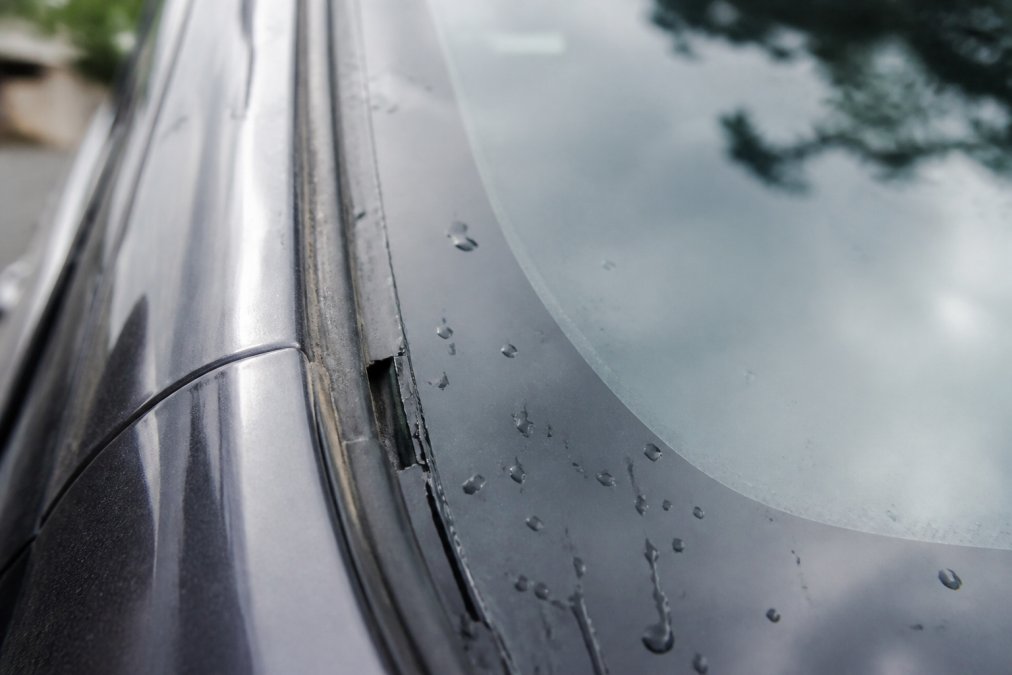
Molding issues indicate poor craftsmanship. The rubber or plastic molding around the windshield should fit snugly with no gaps. If it's loose, cracked, or separating from the glass, the installer didn't properly secure it during installation. This allows water and debris to enter the gap, eventually damaging the bonding agent and compromising the seal.
Delamination, visible separation between the glass layers, is a material defect that should be caught during quality control but sometimes isn't. You'll see a cloudy or foamy appearance in the affected area. This is always covered under warranty because it's a manufacturing flaw, not an installation issue.
Windshield Recalibration Warranty Coverage Explained
Modern vehicles with advanced driver assistance systems (ADAS) require camera recalibration after windshield replacement (nhtsa.gov). This is a critical but often overlooked aspect of what your lifetime auto glass warranty should cover.
When you replace a windshield, you're replacing a component that houses or sits in front of the ADAS camera. Even a slight misalignment during installation can throw the camera's calibration off. The camera may no longer accurately detect lane markers, read speed limit signs, or identify obstacles. This creates safety risks and can trigger warning lights on your dashboard.
Windshield recalibration warranty coverage varies significantly by provider. Some include it automatically; others charge extra or exclude it entirely. BL Auto Glass includes professional camera recalibration when needed, ensuring your ADAS functions correctly after replacement. This prevents costly recalibration bills that can run several hundred dollars at dealerships.
The recalibration process involves specialized equipment that reads the camera's position and adjusts it to manufacturer specifications. This must be done by a certified technician following the vehicle manufacturer's exact procedures. If your provider skips this step, you may not realize there's a problem until your lane-keeping assist fails to prevent a drift or your collision warning doesn't trigger when it should.
Ask your warranty documentation whether recalibration is included. If it's not, request it in writing as a condition of the installation. Many providers will add it at no charge rather than risk a future claim dispute. This protects both you and the provider by ensuring the complete job meets safety standards.
5 Best Ways to Prevent Windshield Damage From Road Debris
While your lifetime auto glass warranty covers defects, it doesn't cover road debris damage. Preventing damage in the first place is far better than dealing with replacement costs and deductibles.
1. Maintain Safe Following Distance
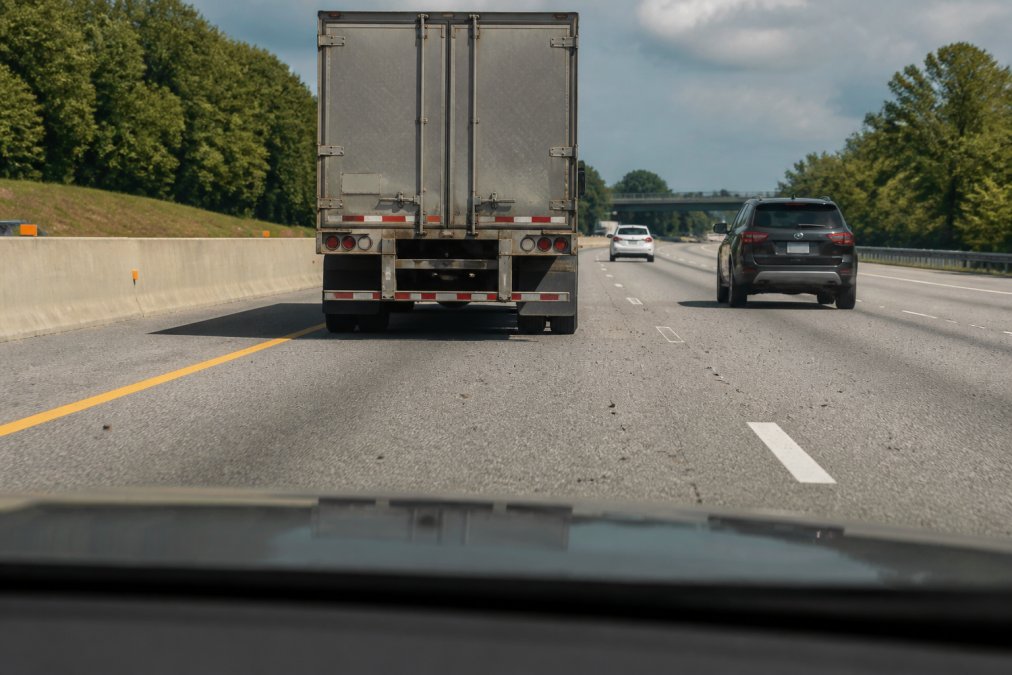
The most effective prevention strategy is keeping adequate distance between your vehicle and the car ahead. Road debris typically flies up from the tires of vehicles in front of you. By maintaining at least a three-second gap at normal speeds and longer on highways, you reduce the likelihood of debris reaching your windshield (nhtsa.gov). Large trucks are the biggest hazard because their tires kick up rocks and gravel more forcefully. When following a truck, increase your distance to five seconds or more.
2. Avoid Driving Behind Trucks and Construction Vehicles
Trucks carrying loose materials or traveling on unpaved roads create massive debris clouds. When possible, change lanes to avoid driving directly behind these vehicles. Construction zones are particularly hazardous because loose gravel, sand, and debris cover the road surface. If you must drive through construction areas, slow down and increase your following distance further.
3. Stay Away From Gravel Roads When Possible
Unpaved roads are inherently risky for windshield damage. Tires on unpaved surfaces kick up stones that can strike your windshield with significant force. If you must drive on gravel roads, reduce speed to minimize the force of impacts and allow other vehicles to clear ahead of you before driving through the same area.
4. Repair Small Chips Immediately
Small chips and cracks spread rapidly, especially when exposed to temperature changes and road vibrations. A chip that's barely noticeable today can become a full windshield replacement tomorrow. Addressing damage early is cheaper than waiting and also maintains your vehicle's structural integrity. Many insurance policies cover chip repair at no cost or minimal deductible.
5. Park Strategically
Where you park affects windshield risk. Avoid parking under trees where branches might fall, under overpasses where debris might fall from above, or in high-traffic areas where other vehicles kick up debris. When possible, park in covered spaces or garages. If street parking is your only option, position your vehicle to minimize exposure to traffic patterns that generate debris clouds.
How to File a Warranty Claim
Filing a warranty claim requires documentation and understanding the process. Most denials occur because customers don't follow proper procedures or fail to provide required evidence.
Start by gathering your documentation. You'll need your service order from the original installation, proof of purchase, photos of the defect, and any maintenance records showing you didn't damage the glass yourself. Contact the provider that installed your windshield, not your insurance company. Your warranty is with the installer, not your insurance policy.
Describe the problem clearly and specifically. Instead of saying "my windshield is leaking," explain where water enters, when you notice it most (during rain, car washes, etc.), and how long the problem has persisted. Provide photos showing the defect, water stains, or damaged molding. The more specific your description, the harder it is for the provider to deny your claim.
Request an inspection by a certified technician. Don't accept a denial based on photos alone. A professional inspection can document whether the defect is a workmanship issue or material flaw. The inspector's report becomes your evidence if you need to dispute a denial.
Understand the timeline. Most warranty claims must be filed within a specific period, typically one to three years for workmanship defects, though material defects may have longer windows. Check your warranty documentation for exact deadlines. Filing promptly prevents disputes about when the problem began.
If your claim is denied, request a detailed explanation in writing. The provider must specify which warranty exclusion applies and why. If you disagree, ask for a second opinion from an independent certified technician. Many states allow consumers to dispute warranty denials through regulatory channels if the provider refuses to reconsider.
Conclusion
Understanding what your lifetime auto glass warranty actually covers protects you from costly surprises and ensures you get the protection you paid for. The distinction between workmanship defects, material defects, and excluded damage determines whether your claim succeeds or fails. By keeping documentation, spotting installation problems early, and filing claims correctly, you maximize the value of your coverage.
When you need windshield replacement, choose a provider that stands behind their work with transparent warranty terms and professional installation standards. BL Auto Glass includes lifetime warranty coverage on all replacements, handles insurance claims from start to finish, and provides professional camera recalibration to ensure your vehicle's safety systems function correctly. Get started with BL Auto Glass and drive with confidence knowing your windshield is protected.
Frequently Asked Questions
What does a lifetime auto glass warranty actually cover?
A lifetime auto glass warranty typically covers defects in workmanship and materials for the life of the vehicle you own. This includes seal failure, delamination, warping, and optical distortion caused by faulty installation or defective glass. However, it does not cover damage from accidents, road debris, or normal wear. Coverage often transfers to the original owner only, and some warranties void if you sell the vehicle. Always review your specific coverage terms with your installer.
Does a lifetime auto glass warranty cover rock chips or cracks?
No. Lifetime warranties cover defects in materials and workmanship, not damage from external impact like rocks or debris. If a chip or crack appears due to road hazards, that falls under collision or comprehensive coverage through your auto insurance, not your glass warranty. However, if a crack originates from a seal failure or installation defect, your warranty may apply. Document the damage location and cause when filing any claim.
What happens to my warranty if I sell my vehicle?
Most lifetime auto glass warranties are non-transferable and apply only to the original owner. Once you sell the vehicle, the new owner typically loses warranty coverage. Some providers offer limited transferable warranties, but these are less common. Check your warranty documentation for specific transfer terms. If transferability matters to you, ask your installer about this before installation.
Is windshield recalibration included in a lifetime auto glass warranty?
Recalibration coverage varies by warranty and installer. Many lifetime warranties do not automatically include ADAS camera recalibration, which is a separate service needed after windshield replacement to restore lane-keeping assist and collision warning systems. Some providers bundle recalibration as part of their warranty; others charge extra. Confirm whether recalibration is covered before your installation to avoid unexpected costs.
This article was written using GrandRanker