
 how-to
How to Handle Insurance Glass Claims: Step-by-Step
Table of Contents
- What You'll Need Before Filing Your Insurance Glass Claim
- Step 1: Document the Damage and Gather Evidence
- Step 2: Review Your Policy and Understand Your Coverage
- Step 3: Contact Your Insurance Company to File Your Claim
- Does Insurance Cover Windshield Chip Repair
- Florida Windshield Replacement Laws and Your Zero-Deductible Right
- ADAS Camera Recalibration Requirements After Replacement
- Common Mistakes to Avoid When Filing Your Claim
Last Updated: August 29, 2026
What You'll Need Before Filing Your Insurance Glass Claim
Handling an insurance glass claim doesn't require much upfront, but gathering the right information saves time and prevents delays. Before you contact your insurance company, pull together your policy documents, vehicle identification number, and any photos of the damage. At BL Auto Glass, we've guided many Central Florida vehicle owners through this process.
Your insurance policy is the foundation. Locate your policy number, coverage type, and deductible amount. Many drivers discover they have comprehensive coverage that includes glass damage, but they don't know it until they look. Your vehicle identification number (VIN) appears on your registration, driver's license, or the dashboard near the windshield. Insurance companies use the VIN to verify your vehicle's make, model, and year, which affects repair or replacement options.
Document the damage with clear photos taken from multiple angles. Photograph the crack or chip in daylight, showing both the damage and the surrounding glass area. If the damage occurred during an accident or weather event, take photos of the scene if possible. This evidence supports your claim and prevents disputes later.
Have your driver's license ready and know the date the damage occurred. If the incident happened while someone else was driving your vehicle, gather their contact information. Insurance companies may ask whether the damage resulted from a collision (physical damage) or from a separate incident like a rock strike (comprehensive coverage). Understanding this distinction helps you answer questions accurately when you file.
Step 1: Document the Damage and Gather Evidence
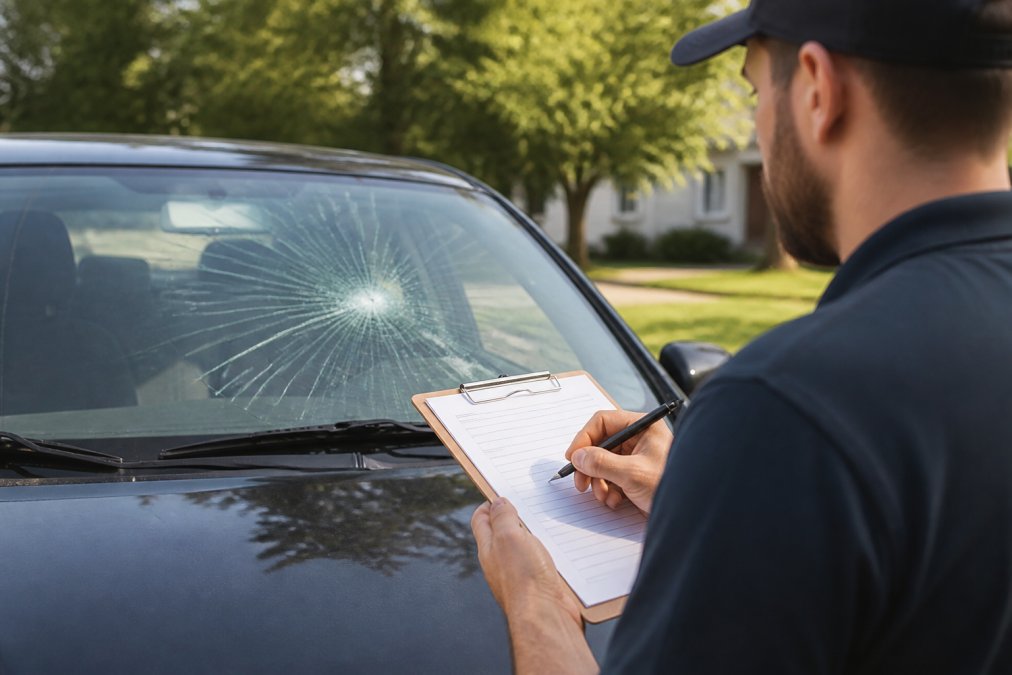
The first action after discovering windshield damage is to document everything before it worsens. Photograph the damage from inside the vehicle with the sun behind you to highlight the crack or chip clearly. Capture the damage's location relative to the driver's line of sight, and photograph any secondary cracks spreading from the initial impact point. These images become your proof if the claim is questioned later.
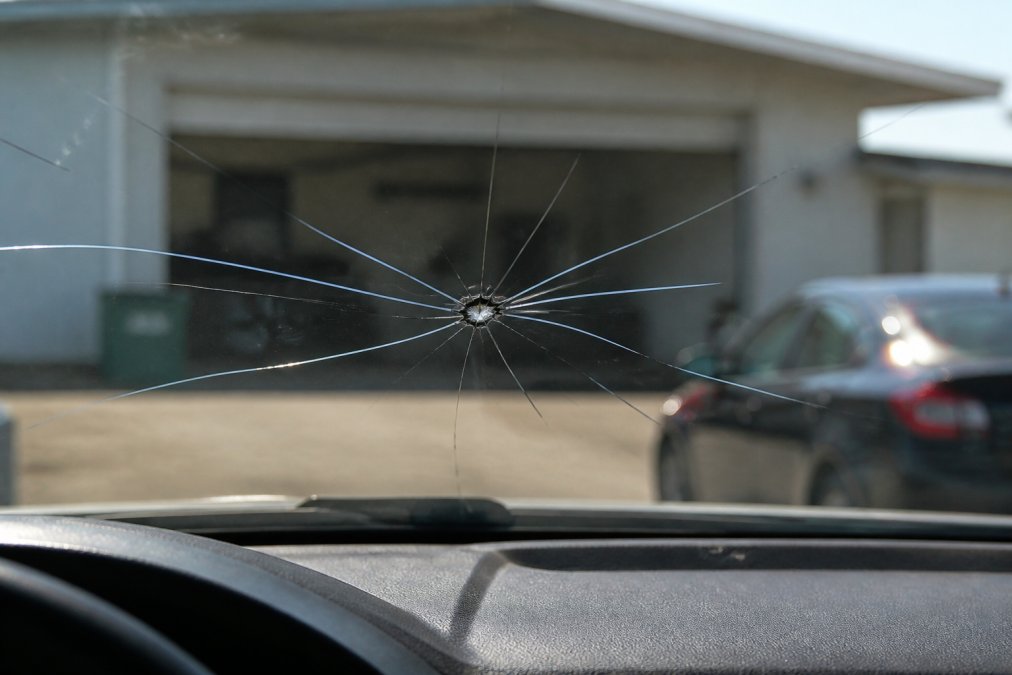
Note the exact date and time the damage occurred, and write down what caused it if you know. A rock strike during highway driving, a falling tree branch during a storm, or a collision all tell different stories to your insurance adjuster. If witnesses were present, record their names and contact information. This becomes critical if your claim is disputed.
Avoid driving with severely cracked windshields whenever possible. A windshield that's already compromised can shatter completely from vibration, temperature changes, or minor bumps in the road. If the damage is in your line of sight or the crack is spreading, contact your insurance company immediately and arrange a repair or replacement. Many comprehensive policies cover emergency glass repairs at no cost to you.
Keep all documentation together in one place, photos, policy documents, the incident description, and any repair estimates. This organized file becomes your reference during the claims process and helps you respond quickly if your insurance company requests additional information.
Step 2: Review Your Policy and Understand Your Coverage
Before filing a claim, understand what your policy actually covers. Open your insurance policy and locate the comprehensive coverage section. Comprehensive coverage includes glass damage from most causes except collisions: rock strikes, weather events, vandalism, and theft all fall under comprehensive. If you only carry collision coverage, glass damage from a rock strike won't be covered, but damage from a collision will be.
Your deductible is what you pay out of pocket before insurance coverage kicks in. A typical comprehensive deductible ranges from $250 to $1,000, though some policies offer lower amounts (iii.org). However, many insurers offer zero-deductible glass coverage as an add-on, meaning you pay nothing when a glass claim is approved. Check whether your policy includes this option, many drivers don't realize they have it.
Read the coverage limits section carefully. Some policies cap glass replacement at a specific dollar amount, while others cover the full cost of OEM (original equipment manufacturer) glass. If your policy limits glass replacement to $500 but a new windshield costs $800, you'll cover the difference. Understanding this prevents surprises when the repair bill arrives.
Look for any exclusions or restrictions. Some policies require you to use specific repair shops, while others allow you to choose your own service provider. A few policies exclude glass damage if the vehicle was unattended or if the damage resulted from improper installation of aftermarket parts. Knowing these details before you file prevents claim denials.
Step 3: Contact Your Insurance Company to File Your Claim
Once you've reviewed your coverage and gathered evidence, contact your insurance company to file the claim. Most insurers accept claims through their website, mobile app, or phone. Phone claims typically process faster because an agent can ask clarifying questions immediately and answer yours in real time. Have your policy number, VIN, and photos ready before you call.
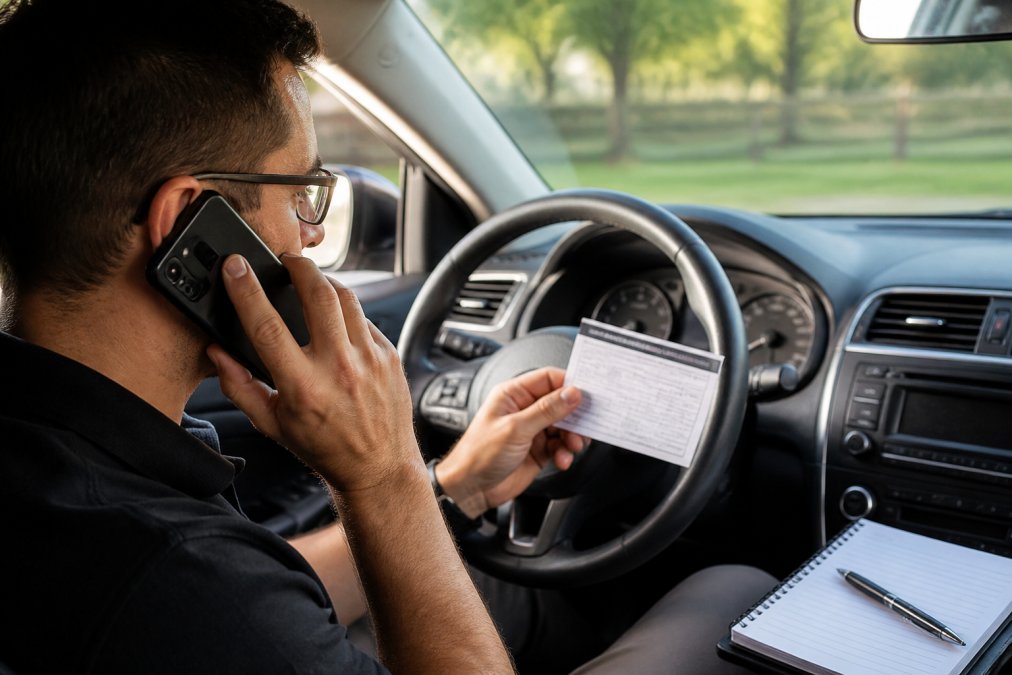
When you call, explain what happened clearly and concisely. Describe the damage type (chip, crack, or complete breakage), where it's located on the windshield, and what caused it. The claims adjuster will ask whether you have comprehensive coverage, your deductible amount, and whether you want to repair or replace the glass. Answer honestly, misrepresenting the cause or damage type can result in claim denial.
Ask your insurance company whether they have preferred glass repair shops. Many insurers have networks of approved providers where you pay your deductible and insurance covers the rest. If you prefer to use a different shop, ask whether your policy allows it. Some insurers reimburse you for out-of-network repairs, while others won't cover them at all.
Request a claim number immediately. This number tracks your claim through the system and becomes your reference for all future communication. Write it down and keep it with your policy documents. Ask how long the claims process typically takes, most glass claims are approved and processed within 24 to 48 hours.
Confirm whether your insurance company will contact the repair shop directly or whether you need to schedule the appointment yourself. Some insurers handle authorization with the shop, while others require you to arrange everything. Clarifying this prevents confusion and ensures the repair shop knows your claim is approved before you arrive.
Does Insurance Cover Windshield Chip Repair
Yes, comprehensive insurance coverage includes windshield chip repair in most cases. A chip, damage smaller than a dollar bill that hasn't penetrated the entire glass thickness, is typically repairable rather than requiring full replacement. Insurance companies prefer chip repairs because they're faster, cheaper, and preserve your vehicle's original windshield.
The repair process involves injecting resin into the chip to restore structural integrity and prevent the damage from spreading. A professional technician cleans the damaged area, injects specialized resin, and allows it to cure. The repair takes 30 minutes to an hour and restores the windshield's strength while minimizing visibility impact.
Your deductible applies to chip repairs just as it does to full replacements. If your comprehensive deductible is $500 and the chip repair costs $150, you pay $0 because the repair cost is below your deductible. However, if your deductible is $100, you pay $100 and insurance covers the remaining $50. Some insurers offer zero-deductible glass coverage, meaning you pay nothing for approved chip repairs.
The key limitation: a chip can only be repaired if it hasn't spread into a crack. Once a chip develops secondary cracks radiating outward, repair becomes impossible and replacement is necessary. This is why documenting damage early and avoiding rough roads matters, the sooner you repair a chip, the less likely it spreads.
Florida Windshield Replacement Laws and Your Zero-Deductible Right
Florida law provides unique protections for windshield replacement that many vehicle owners don't know about. Under Florida Statute 627.7129, if your comprehensive insurance policy covers glass damage, your insurer must waive your deductible for windshield replacement when the damage results from a covered cause (flsenate.gov). This means you pay $0 out of pocket for a full windshield replacement under comprehensive coverage.
This zero-deductible protection applies to windshield replacement only, not chip repairs or other glass damage. If your windshield requires full replacement due to a rock strike, weather damage, or vandalism, your insurance company cannot charge you a deductible. However, if you choose to repair a chip instead of replacing the windshield, your regular deductible may apply depending on your policy terms.
The law requires insurers to offer this zero-deductible coverage, but it's not automatic. Some policies include it by default, while others require you to add it as an endorsement. Review your policy documents or call your insurance company to confirm whether you have zero-deductible windshield replacement. If you don't have it, ask whether you can add this coverage, it's typically inexpensive or free.
This protection is specific to Florida and applies only if you carry comprehensive coverage. If you have only liability or collision insurance, the zero-deductible rule doesn't apply. Additionally, the law specifies that the glass must be damaged by a covered cause under your policy. Damage from normal wear, manufacturing defects, or improper installation isn't covered.
ADAS Camera Recalibration Requirements After Replacement
Modern vehicles equipped with Advanced Driver Assistance Systems (ADAS) require camera recalibration after windshield replacement. ADAS cameras mounted behind the windshield control features like lane-keeping assist, adaptive cruise control, collision warning, and automatic emergency braking. When a windshield is removed and replaced, the camera's alignment can shift slightly, causing these safety systems to malfunction.
Recalibration involves using specialized equipment to realign the camera to factory specifications. A technician positions your vehicle on a calibration rack, points a calibration target at the camera, and uses diagnostic software to measure and adjust the camera's angle. The process takes 45 minutes to 2 hours depending on your vehicle's ADAS system complexity.
Many vehicle owners don't realize recalibration is necessary until they notice warning lights on their dashboard or ADAS features stop working. Some insurance companies cover recalibration as part of the glass replacement claim, while others treat it as a separate service. Before approving your claim, ask your insurance company whether recalibration is included. If not, expect to pay for this service.
At BL Auto Glass, we include ADAS recalibration when needed as part of our service. Federal Motor Vehicle Safety Standards require that ADAS systems function correctly after any windshield work, and we ensure your vehicle meets these standards before you drive away (nhtsa.gov). Skipping recalibration puts your safety at risk and may void your vehicle manufacturer's warranty on those safety systems.
Common Mistakes to Avoid When Filing Your Claim
The most common mistake is waiting too long to report the damage. Insurance companies prefer claims filed within a few days of the incident. Delays raise questions about whether the damage actually occurred when you say it did or whether you caused it yourself. File your claim as soon as you discover the damage, even if you haven't scheduled a repair yet.
Don't exaggerate the damage or misrepresent the cause. Insurance adjusters investigate claims, and inconsistencies between your description and the actual damage can trigger denial or fraud investigation. If you're unsure what caused the damage, say so. Honesty is always the better approach.
Avoid choosing a repair shop without checking whether your insurance company approves it. Using an unapproved shop can result in claim denial or reduced reimbursement. Ask your insurance company for their preferred provider list, or ask whether out-of-network repairs are covered before you schedule an appointment.
Don't ignore aftermarket glass options if your insurer recommends them. Aftermarket glass is manufactured to meet safety standards but isn't made by your vehicle's original manufacturer. It's typically cheaper than OEM glass, and many insurers prefer it to reduce claim costs. Aftermarket glass is safe and durable, the main difference is cost, not quality.
Never accept a claim settlement without understanding what it covers. If your insurance company offers a settlement amount that's lower than the repair estimate, ask why. Some settlements exclude recalibration, tinting, or other services. Get clarification in writing before accepting the settlement.
Handling an insurance glass claim becomes straightforward when you understand your coverage and follow the right steps. The process typically takes 2-3 days from claim filing to completed repair, but preparation determines whether you experience delays or smooth approval. BL Auto Glass simplifies this process by handling your insurance claim directly, we verify your coverage, confirm zero-deductible eligibility, manage the authorization with your insurer, and complete your windshield replacement or repair with professional ADAS recalibration included. Book an appointment with us today and let our team handle the paperwork while you focus on getting back on the road safely.
Frequently Asked Questions
Q: Does a glass claim affect your insurance rates?
A: Glass claims filed under comprehensive coverage typically do not increase your insurance premiums. Many insurers treat glass-only claims as no-fault claims, meaning they won't count against your driving record. However, your rates depend on your specific policy and insurer. Contact your insurance company directly to confirm how a glass claim will affect your premiums before filing.
Q: What does a $0 deductible mean for windshield replacement?
A: A $0 deductible means you pay nothing out of pocket for your windshield replacement or repair when you file an insurance claim. Your insurance covers the full cost of the service. This applies when your policy includes comprehensive coverage with zero-deductible glass coverage, which is common under Florida law for many comprehensive policies.
Q: Do I need ADAS camera recalibration after a windshield replacement?
A: Yes, if your vehicle has advanced driver assistance systems (ADAS), recalibration is often required after windshield replacement. Modern vehicles use cameras mounted behind the windshield for lane-keeping assist, collision detection, and other safety features. Removing and reinstalling the windshield can misalign these cameras. Many comprehensive policies cover recalibration costs, though you should verify with your insurer before replacement.
Q: What information do I need to file an insurance glass claim?
A: Have your policy number, vehicle identification number (VIN), driver's license, and proof of loss ready. Provide details about when and where the damage occurred. Have photos of the damage available. Your insurance company may also ask for your claim number once assigned. Having this information organized before calling speeds up the filing process significantly.
This article was written using GrandRanker