 how-to
How Florida Zero Deductible Glass Works
Table of Contents
- Understanding Florida's Zero Deductible Glass Law
- How to File an Auto Glass Insurance Claim
- Does Insurance Cover Windshield Chip Repair?
- Windshield Replacement Camera Recalibration Necessity
- Common Misconceptions About Free Glass Replacement
- What Happens If You Don't Have Comprehensive Coverage?
- Getting Your Windshield Fixed: Next Steps
- Conclusion
Last Updated: August 24, 2026
Understanding Florida's Zero Deductible Glass Law
Under Florida law, comprehensive auto insurance policies must cover windshield replacement and repair with zero deductible (flsenate.gov). This mandate applies specifically to comprehensive coverage and represents a significant consumer protection. At BL Auto Glass, we help customers navigate this law every day, handling the insurance claims process so you don't have to worry about out-of-pocket costs when comprehensive coverage is in place.
Windshield damage is common and often unavoidable, a rock on the highway, debris from construction, or weather events can compromise your vehicle's safety in seconds. Rather than forcing drivers to pay deductibles for repairs that shouldn't be their financial burden, the legislature mandated that insurers cover these claims fully under comprehensive policies.
What Florida Statute 627.7288 Requires
Florida Statute 627.7288 establishes the zero deductible mandate for glass coverage. This statute specifically requires that every motor vehicle insurance policy issued in the state must include comprehensive coverage provisions that waive the deductible for glass damage claims, including windshield replacement and repair.
The statute applies to all personal auto insurance policies. Insurers cannot impose a deductible on glass claims when comprehensive coverage is active. This is not optional, it's a mandatory coverage provision. The law recognizes that glass damage represents a safety issue. A compromised windshield affects visibility, structural integrity, and the proper function of safety systems like ADAS cameras (nhtsa.gov). Without this mandate, many drivers would delay repairs because they'd face an out-of-pocket deductible, extending periods of compromised visibility and safety.
Does the Zero Deductible Law Apply to All Auto Glass?
The zero deductible coverage applies specifically to comprehensive coverage claims for external damage: stone chips, cracks from impact, and weather damage. Damage from wear and tear, manufacturing defects, or intentional damage doesn't qualify. If your windshield is damaged in a collision, your collision deductible applies instead.
Additionally, the zero deductible mandate only protects drivers who carry comprehensive coverage. If you have liability-only insurance or excluded comprehensive from your policy, the zero deductible requirement doesn't apply. The law applies to all auto glass, side windows, rear windows, and glass components, though windshield damage is most common and most often claimed.
How to File an Auto Glass Insurance Claim
Filing a glass claim is straightforward. Understanding each step helps ensure the process moves smoothly and you end up with zero out-of-pocket costs if comprehensive coverage applies.
Step 1: Contact Your Insurance Carrier
Call your insurance company directly with your policy number ready. Describe the damage clearly, whether it's a chip, crack, or full replacement needed. Be honest about severity; if a crack is spreading or obstructs your view, say so.
Ask specifically about their glass claim process. Some insurers handle claims through their own network; others allow you to choose your own provider. Clarify whether your policy includes zero deductible for glass under comprehensive coverage and confirm that no deductible will apply.
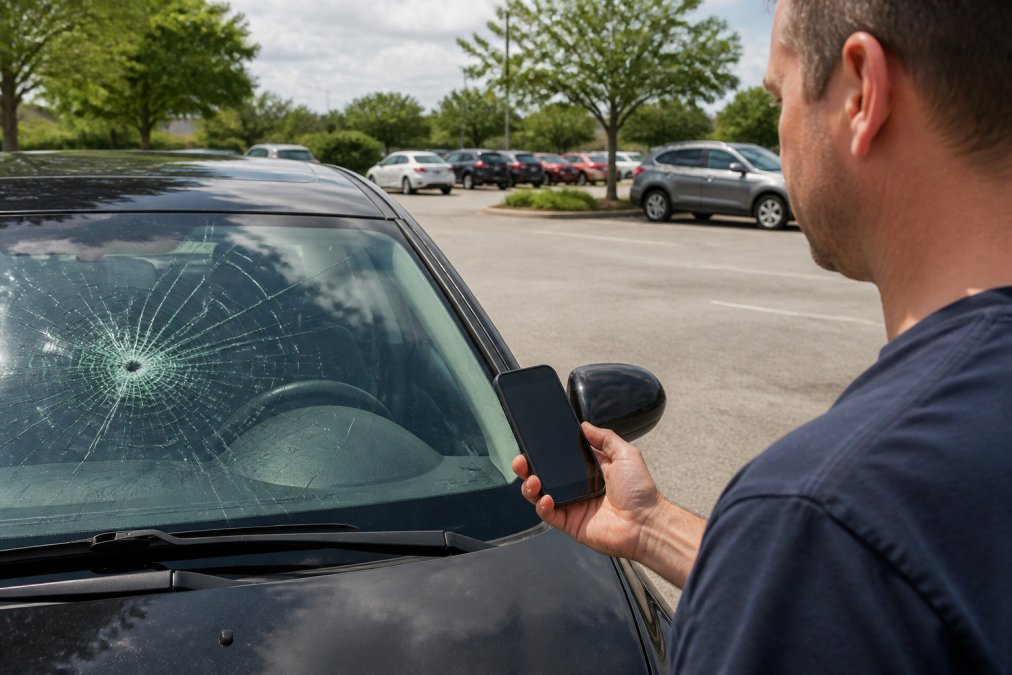
Step 2: Provide Details About the Damage
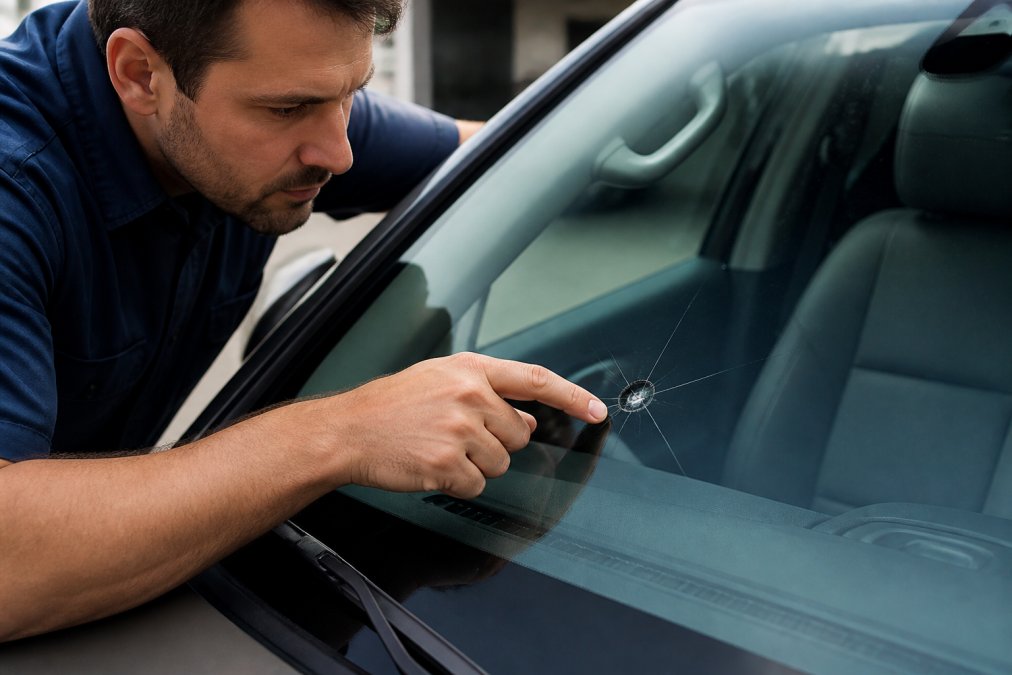
Your insurer will need specific information: exactly what happened, where the damage occurred, what caused it if known, and when it happened. Take photos of the damage from multiple angles to help the insurer assess whether repair or replacement is needed.
Be prepared to answer questions about your vehicle: make, model, year, and whether it has safety features like lane-keeping assist or automatic emergency braking. These details matter because vehicles with ADAS systems may require camera recalibration after windshield replacement. Provide your contact information and preferred appointment times. Many insurers and glass shops offer mobile service at no cost to you.
Step 3: Authorize the Repair or Replacement
Once your insurer reviews the claim, they'll determine whether repair or replacement is needed. A small chip might be repairable; a large crack or multiple damage points typically require full replacement.
If you choose your own shop, confirm they're willing to work directly with your insurer and handle claim paperwork. BL Auto Glass, for example, handles all insurance claim paperwork, so you show up for your appointment and drive away with a repaired or replaced windshield at zero deductible. Before authorizing any work, confirm the exact cost and what your insurer will cover. Under comprehensive coverage with zero deductible, your cost should be zero.
Does Insurance Cover Windshield Chip Repair?
Yes, insurance covers windshield chip repair under comprehensive coverage. Small chips, typically smaller than a quarter, can often be repaired with a resin injection that restores structural integrity. Repair is faster and less disruptive than replacement.
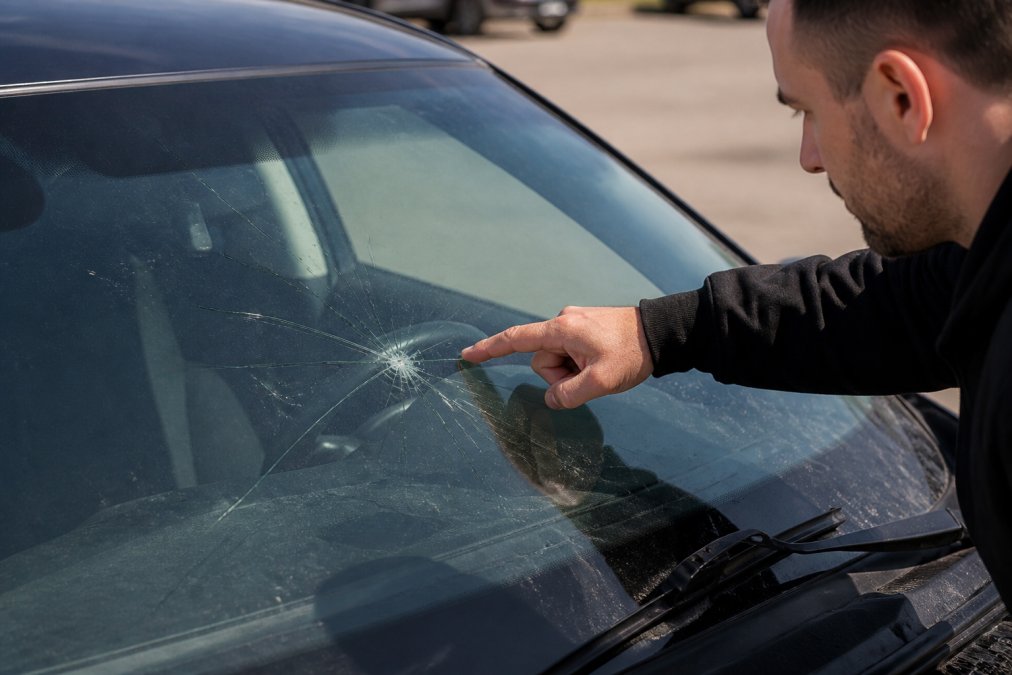
However, small chips often spread into larger cracks over time, especially with temperature changes and road vibration. Getting damage assessed quickly matters, a technician can evaluate whether a chip is likely to spread and recommend repair or replacement accordingly.
Repair vs. Replace: What Your Policy Covers
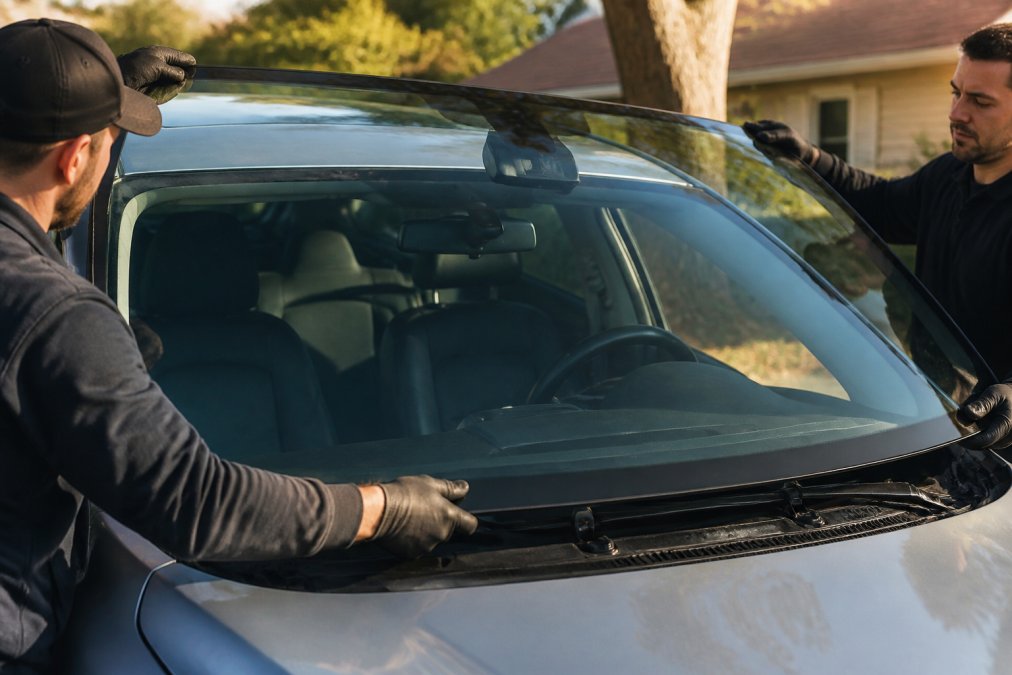
Your comprehensive coverage includes both repair and replacement. Repair works for small, localized damage away from the driver's line of sight and takes 30 minutes to an hour. Replacement is necessary when damage is large, affects the driver's vision, involves multiple cracks, or is located near windshield edges. Replacement takes 1-2 hours and requires the windshield to cure before driving.
Your comprehensive coverage pays for whichever approach the damage requires. The choice is based on what's appropriate for the damage, not on saving money out of pocket.
Windshield Replacement Camera Recalibration Necessity
Modern vehicles increasingly include ADAS systems, cameras mounted on or behind the windshield that monitor lane position, detect obstacles, and enable features like automatic emergency braking. When you replace the windshield, these cameras must be recalibrated.
Why ADAS Recalibration Matters for Vehicle Safety
ADAS cameras are precisely calibrated during manufacturing at exact angles and distances from the road (nhtsa.gov). When you replace a windshield, even small variations in camera mounting or windshield fit can throw off calibration. A camera that's off by a few millimeters will misread lane position or obstacle distance, defeating the safety system's purpose.
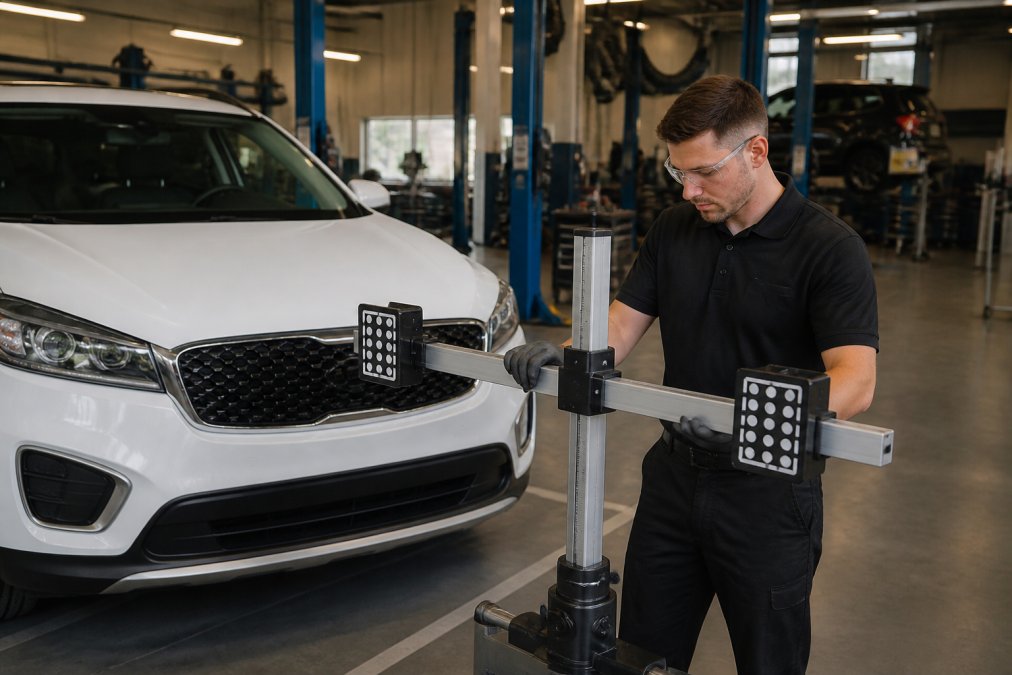
Recalibration involves using specialized diagnostic equipment to reset the camera to factory specifications. This process typically takes 30 minutes to an hour. Many drivers don't realize recalibration is necessary and assume a new windshield means everything is fine. But an uncalibrated ADAS system is a safety liability, lane-keeping assist might pull you out of your lane, and automatic emergency braking might not activate when needed.
Recalibration is often covered under comprehensive glass claims, especially when a shop like BL Auto Glass handles the work. We include ADAS recalibration as part of our windshield replacement service when needed, ensuring your safety systems work correctly after the repair.
Common Misconceptions About Free Glass Replacement
The zero deductible glass law is straightforward, but several myths persist that confuse drivers and sometimes lead to unnecessary out-of-pocket costs.
Myth: My Insurance Company Told Me I Have a $500 Deductible
A driver calls their insurer about a windshield claim and is told they have a $500 deductible. What's likely happening: the insurer is quoting the deductible that applies to comprehensive coverage generally, not the glass-specific exemption.
If your insurer tells you there's a deductible on a glass claim, ask them to confirm the policy language regarding glass coverage under comprehensive. Reference Florida Statute 627.7288 if necessary. Most insurers will quickly correct the misunderstanding and confirm zero deductible applies. The right response should be: "Your comprehensive coverage includes zero deductible for glass damage. You'll pay nothing out of pocket."
Myth: All Glass Damage Qualifies for Zero Deductible
Not all glass damage qualifies. The zero deductible mandate applies only to comprehensive coverage claims for external damage. If your windshield is damaged in a collision, collision coverage applies and your collision deductible kicks in. Damage from wear and tear, manufacturing defects, or intentional damage doesn't qualify either.
What Happens If You Don't Have Comprehensive Coverage?
If you carry liability-only insurance or excluded comprehensive from your policy, the zero deductible mandate doesn't apply. You're responsible for the full cost of windshield repair or replacement, which can be several hundred dollars depending on your vehicle.
Many drivers choose liability-only to save on premiums, especially if their vehicle is older or paid off. But windshield damage is common and unpredictable. If you don't have comprehensive coverage, you can add it to your policy going forward, most insurers allow mid-policy additions. The annual premium is typically modest, and the zero deductible glass benefit alone can justify the cost if you ever need a replacement.
Getting Your Windshield Fixed: Next Steps
Contact a glass provider that handles insurance claims directly. You want a shop that manages paperwork with your insurer, confirms zero deductible applies, and doesn't ask you to pay anything upfront. Ask about mobile service, many providers, including BL Auto Glass, come to you at home or work.
Confirm the appointment timeline. Many shops offer same-day or next-day appointments. Gather your insurance information and policy number before the appointment. Ask about ADAS recalibration if your vehicle has camera-based safety features and confirm whether it's included in your claim.
Show up for your appointment, and the technician handles the rest. You drive away with a repaired or replaced windshield, zero deductible applied, and peace of mind that your vehicle is safe and compliant with federal motor vehicle safety standards.
Windshield damage doesn't have to be a financial burden or safety risk. Florida's zero deductible glass law exists specifically to protect drivers like you. When you have comprehensive coverage and understand how the law works, you can get your windshield repaired or replaced at no cost to you. BL Auto Glass simplifies this process further by handling your insurance claim from start to finish, managing all the paperwork so you can focus on getting back on the road safely. With same-day mobile service, professional ADAS recalibration when needed, and a lifetime warranty on all work, we make windshield replacement stress-free. Book Now to schedule your appointment and experience the difference professional, insured service makes.
Frequently Asked Questions
How can I get my windshield replaced for free in Florida?
If your vehicle has comprehensive insurance coverage, Florida law (Statute 627.7288) requires your insurer to cover windshield replacement with zero deductible. Contact your insurance carrier to initiate a claim, provide photos of the damage, and authorize the replacement. You'll pay nothing out of pocket if comprehensive coverage is active on your policy at the time of the claim.
What does a $0 glass deductible actually mean on my policy?
A zero deductible for glass means your insurance covers the full cost of windshield repair or replacement without requiring you to pay any out-of-pocket amount before coverage kicks in. This is distinct from your vehicle's standard deductible (which might be $500 or $1,000) and applies only to glass damage covered under comprehensive coverage.
Does the zero deductible law apply to all auto glass damage?
The zero deductible mandate applies to windshield damage covered under comprehensive coverage. However, not all glass damage qualifies, damage caused by accidents, collisions, or vandalism may be handled differently. Additionally, the law applies only to vehicles with comprehensive coverage active at the time of the claim. Check your specific policy language or contact your insurance carrier for details about what damage qualifies.
Do I need ADAS camera recalibration after a windshield replacement?
Many modern vehicles have Advanced Driver Assistance Systems (ADAS) cameras mounted behind the windshield. After replacement, these cameras often require recalibration to function safely. Misaligned cameras can compromise lane-keeping assist, collision avoidance, and other safety features. Ask your glass service provider whether your vehicle requires recalibration, some comprehensive policies cover this cost as part of the replacement.
This article was written using GrandRanker