
 how-to
Does Windshield Replacement Affect Safety Cameras?
Table of Contents
- ADAS Cameras and Windshield Replacement: What Changes
- Signs of Misaligned ADAS Cameras After Replacement
- Static vs Dynamic Calibration: Which Does Your Car Need?
- How Long Does ADAS Calibration Take?
- ADAS Recalibration Cost: What Drives the Price
- What Happens If You Skip Calibration After Windshield Replacement
- DIY vs Professional Calibration: Can You Do It Yourself?
- Post-Calibration Verification and Resale Value
- Frequently Asked Questions
Last Updated: September 10, 2026
ADAS Cameras and Windshield Replacement: What Changes
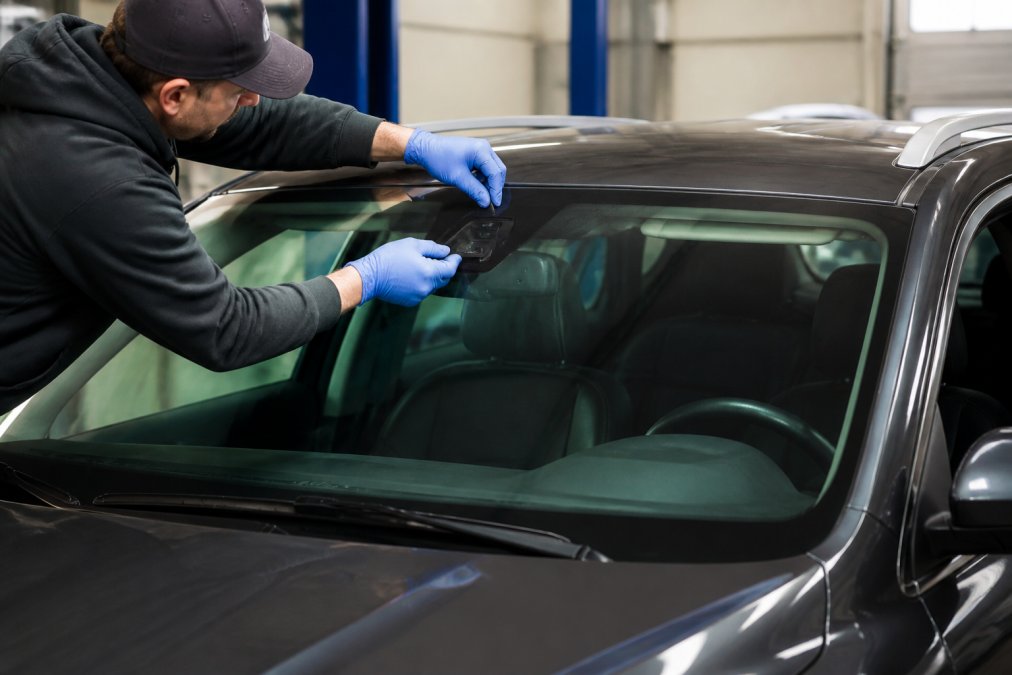
Does windshield replacement affect safety cameras? Yes, it can. When a windshield is replaced, the camera mounted behind it must be recalibrated so the vehicle's Advanced Driver Assistance Systems (ADAS) continue to read the road accurately, which is exactly why the question of does windshield replacement affect safety cameras comes up so often. A correct replacement plus a proper recalibration keeps your safety tech working as designed.
ADAS recalibration is the process of realigning a windshield-mounted camera so its view of the road matches the vehicle's expected reference points. Skipping it is where things go wrong.
Here's what most guides get wrong: they treat the windshield as a simple pane of glass. On a modern car, it's a mounting surface for a camera that feeds lane departure warning, automatic emergency braking, and adaptive cruise control. Move the glass, and you move the camera's aim.
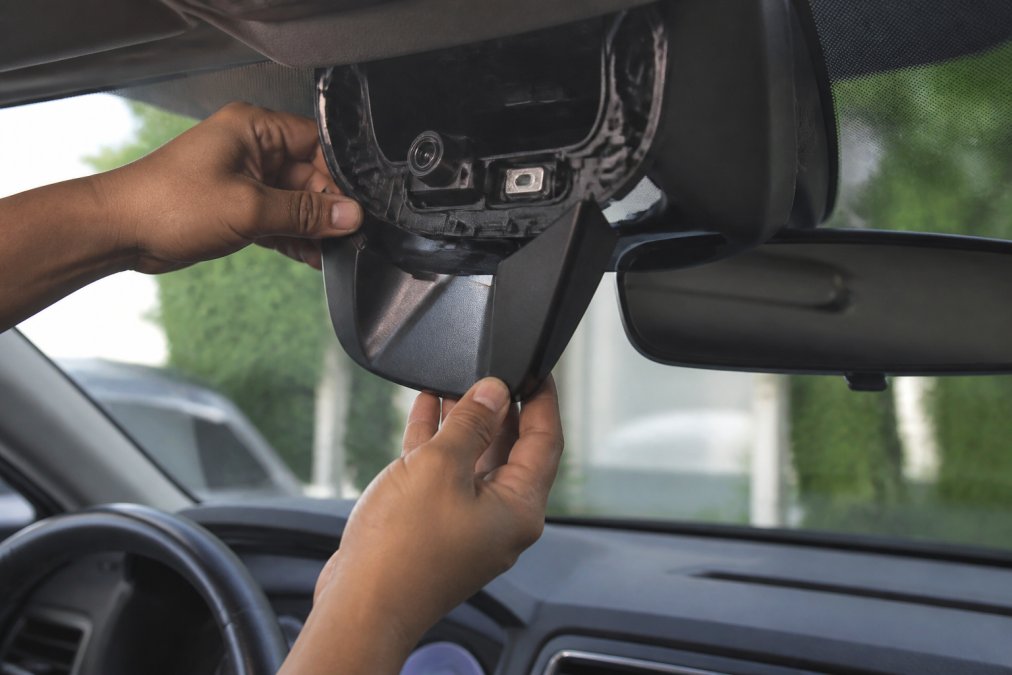
How the Camera Sees Through the Glass
The camera looks through a specific zone of the windshield, and that zone has to meet strict optical clarity standards. Even a tiny change in the glass angle shifts where the camera is pointing.
Manufacturers build in tight manufacturing tolerances. A replacement windshield that sits a fraction of a degree off can throw the camera's view out of alignment with what the software expects.
Why Small Shifts Matter
A camera aimed slightly high or low misreads lane markings and distances. That's why sensor positioning matters more than most drivers realize.
Small shifts in pitch, yaw, and roll change what the system "sees." The car's software assumes a fixed camera position, so any deviation introduces calibration error.
Signs of Misaligned ADAS Cameras After Replacement
The most common sign of misaligned ADAS cameras is a dashboard warning light for lane-keeping or collision systems. Other clues include a lane departure warning that triggers when you're centered, or adaptive cruise control that hesitates or brakes unexpectedly.
Watch for these symptoms:
- A persistent "system unavailable" or warning message
- Lane departure warning firing on straight, well-marked roads
- Automatic emergency braking activating with no obstacle
- Adaptive cruise control following too close or too far
- Blind spot monitoring behaving inconsistently
If you notice any of these after a replacement, get the system checked. These signs point to a camera that needs recalibration, not a system that's broken.
Static vs Dynamic Calibration: Which Does Your Car Need?
Static calibration happens in a controlled shop setting using calibration targets placed at precise distances (nhtsa.gov). Dynamic calibration happens while you drive the car under specific road and speed conditions. Most modern vehicles require static calibration, and some need both.
Static Calibration in the Shop
A technician positions target boards in front of the vehicle at exact measurements. The calibration software reads the targets through the camera and resets the reference points.
This method is precise and repeatable. It's the standard for most vehicles with a windshield-mounted camera.
Dynamic Calibration on the Road
Dynamic calibration requires driving the vehicle at set speeds on clear, well-marked roads so the system can relearn its reference points (nhtsa.gov). Conditions matter: poor weather or faded lane markings can prevent a successful calibration.
Some vehicles combine both methods. The manufacturer's procedure decides which applies to your car.
| Calibration Type | Where It Happens | Typical Trigger | Best For |
|---|---|---|---|
| Static | Shop with targets | Most windshield replacements | Precise, repeatable alignment |
| Dynamic | On-road driving | Certain makes and models | Systems that relearn in motion |
| Combined | Shop, then road | Some newer vehicles | Full multi-camera setups |
How Long Does ADAS Calibration Take?
ADAS calibration typically adds 30 to 60 minutes to a windshield replacement, though some vehicles take longer depending on the system and the required procedure (nhtsa.gov). A static calibration with target setup and verification usually runs longer than a simple dynamic drive cycle.
The exact time depends on your vehicle. Multi-camera systems, combined static-and-dynamic procedures, and models that require a diagnostic scan before and after all extend the timeline. That's why same-day service matters: a shop set up for calibration can complete the whole job in one visit rather than making you return.
ADAS Recalibration Cost: What Drives the Price
ADAS recalibration cost depends on the vehicle, the calibration method, and whether a diagnostic scan is required. There's no single figure, because a basic static calibration on a common model differs sharply from a combined procedure on a vehicle with multiple cameras.
That said, drivers deserve a realistic anchor. Across the industry, standalone ADAS recalibration costs vary depending on the vehicle and the complexity of the system, with combined static-and-dynamic calibrations on vehicles with multiple cameras and radar sensors typically being more involved. When calibration is bundled with a windshield replacement, the marginal cost is often lower than a standalone appointment because the shop is already set up for the job.
Factors that move the price:
- Static versus dynamic versus combined calibration
- Number of cameras and sensors involved (forward camera, surround-view, radar, lidar)
- Whether a pre- and post-scan is required
- Make and model complexity, including whether the automaker restricts procedures to franchised dealers
- Whether the work is bundled with the windshield replacement
- Labor rates in your market, which vary widely by region
A useful way to think about the price is to separate it into three buckets: the diagnostic scan, the calibration procedure itself (the largest variable), and any post-calibration verification or road test. Ask the shop to itemize these so you can compare quotes apples to apples.
Many comprehensive insurance policies cover recalibration as part of a covered glass claim, so the out-of-pocket cost is often far lower than drivers expect. Check your policy and let the shop handle the claim paperwork. If your policy has a separate glass deductible, that deductible usually applies to the whole claim, including calibration.
What Happens If You Skip Calibration After Windshield Replacement
Skipping calibration leaves your safety systems running on outdated reference points. The car may not warn you at all, which is the dangerous part: the system appears to work while its aim is off.
The safety risks of uncalibrated camera systems are real. Lane departure warning may fail to alert you when you drift. Automatic emergency braking may react late or not at all. Adaptive cruise control may misjudge the distance to the car ahead.
DIY vs Professional Calibration: Can You Do It Yourself?
Professional calibration is the right choice for almost every driver, but the reason is more concrete than most guides admit. DIY calibration isn't just difficult, it requires equipment and software that are effectively unavailable to consumers, and the failure mode is silent.
Here's what a proper calibration actually requires:
- Manufacturer-specific calibration targets. These are not generic boards. Each automaker publishes target designs, sizes, and materials for each model and model year. A Toyota target will not calibrate a Honda, and a 2019 target may not work on a 2023 of the same model.
- A level, measured floor space. Static calibration requires the vehicle to sit on a flat surface with targets placed at exact distances and angles, often within a fraction of an inch and a fraction of a degree. A slightly sloped driveway or uneven garage floor can invalidate the procedure.
- Diagnostic software with security access. Modern vehicles require a scan tool with the correct software version and, in many cases, a subscription or security gateway authorization to command the calibration routine. Automakers increasingly restrict this access.
- A pre-scan and post-scan. The scan confirms whether the calibration was accepted and whether any fault codes remain. Without it, you have no way to know if the procedure succeeded.
- A road test under specified conditions. Dynamic calibration requires driving at set speeds on clear, well-marked roads. Weather, traffic, and road quality all affect whether the system completes the relearn.
Where DIY falls short:
- Target boards must sit at exact distances and angles, and the tolerances are tighter than a tape measure and eyeball can reliably hit
- The procedure varies by make, model, and model year, and automakers update procedures mid-cycle
- A diagnostic scan confirms whether calibration actually succeeded, a visual check cannot
- Post-calibration verification catches errors that a test drive alone will miss
Vehicle-specific nuances make this harder. Two cars that look identical may need different targets and different procedures. Some automakers restrict calibration to franchised dealers, while others allow independent shops with the right equipment. A shop with the right equipment and software matches the method to your exact vehicle.
Post-Calibration Verification and Resale Value
A completed calibration should be verified, not assumed. Post-calibration verification uses a diagnostic scan to confirm the system accepted the new reference points and reports no faults. Ask for that confirmation.
This matters for resale value too. A documented, properly calibrated windshield replacement shows a buyer the safety tech was handled correctly. An undocumented replacement raises questions about whether the camera system was ever recalibrated, and that uncertainty can cost you at trade-in.
At BL Auto Glass, camera recalibration is included when your vehicle needs it, and we handle your insurance claim from start to finish. With free mobile service, same-day appointments, and a lifetime warranty, we make the whole process straightforward.
Frequently Asked Questions
Do cameras need to be recalibrated after windshield replacement?
Yes, if your vehicle has a windshield-mounted camera, recalibration is almost always required after replacement. The camera's aim is set to the original glass position, and even a tiny shift in the bracket or glass thickness changes what the camera sees. Most automakers specify recalibration in their repair procedures, and skipping it can leave lane departure warning, automatic emergency braking, and adaptive cruise control reading the road incorrectly.
How long does ADAS calibration take?
Static calibration in a controlled shop bay typically takes 30 to 90 minutes once the vehicle is positioned and targets are set up. Dynamic calibration adds a road test, usually 20 to 60 minutes depending on the automaker's required driving conditions. Some vehicles need both. Total time from drop-off to pickup often runs two to four hours, though it varies by make, model, and whether a diagnostic scan flags any camera faults.
What happens if you don't calibrate ADAS cameras after glass replacement?
Uncalibrated cameras can misjudge distance and lane position. Your lane departure warning may fire on straight roads or miss real drift, automatic emergency braking may brake late or not at all, and adaptive cruise control may follow too closely or too far. These aren't just annoyances; they're safety systems designed to prevent collisions, and a camera pointed a few degrees off can defeat that purpose entirely.
Does insurance cover ADAS recalibration after a windshield replacement?
In many cases, yes. Comprehensive coverage typically includes recalibration as part of a covered windshield replacement because it's required to restore the vehicle's safety systems. Florida law requires insurers to cover windshield replacement with no deductible when you have comprehensive coverage, and that generally extends to the recalibration step. Confirm with your insurer before the work begins so there are no surprises.
A windshield replacement that leaves your safety cameras misaligned isn't a finished job. BL Auto Glass handles the full process, from OEM-quality glass to professional recalibration, free mobile service, and complete insurance claim handling, so your driver assistance features work the way they should. Get started with BL Auto Glass and get back on the road with your safety systems properly calibrated.