 how-to
Does Insurance Pay for Windshield Recalibration?
Table of Contents
- What Is Windshield Recalibration and Why It Matters
- Does Your Insurance Cover Windshield Recalibration?
- ADAS Recalibration Cost: What You Should Expect
- How Long Does Windshield Recalibration Take?
- Is ADAS Calibration Mandatory After Glass Replacement?
- Will Filing a Windshield Claim Increase Your Insurance Premium?
- Aftermarket vs. OEM Glass: How It Affects Your Coverage
- Conclusion
Last Updated: August 20, 2026
What Is Windshield Recalibration and Why It Matters
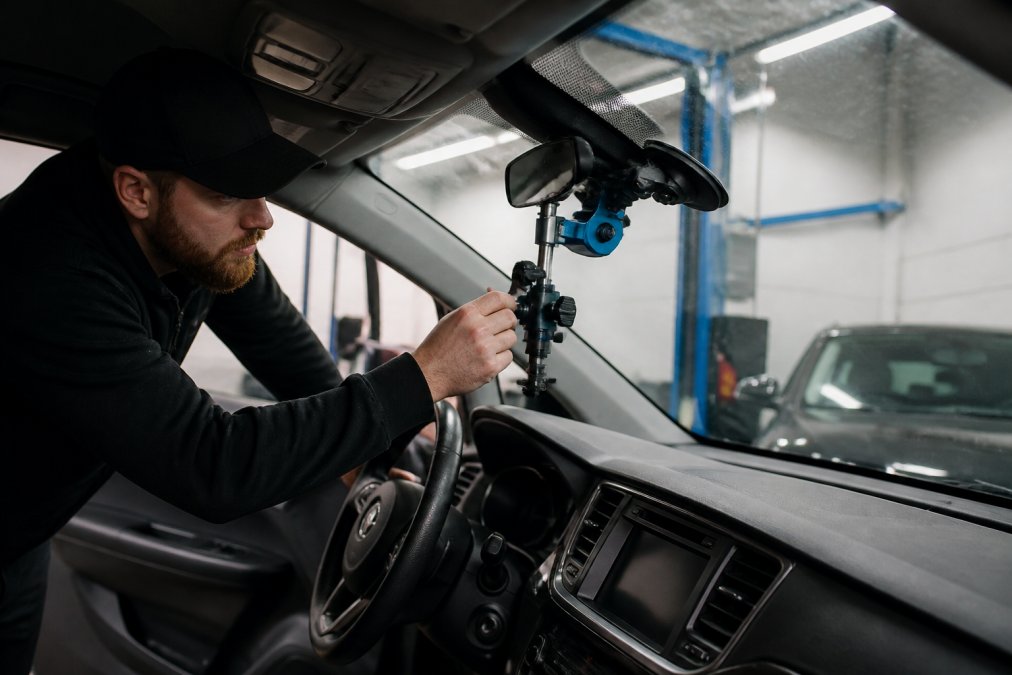
Windshield recalibration is the process of realigning and recalibrating your vehicle's Advanced Driver Assistance Systems (ADAS) cameras after windshield replacement or repair. Modern vehicles rely on these safety cameras to power critical features like lane departure warning, collision avoidance, and adaptive cruise control. When your windshield is replaced, even with OEM glass, the camera housing shifts slightly, throwing off the precise calibration these systems require.
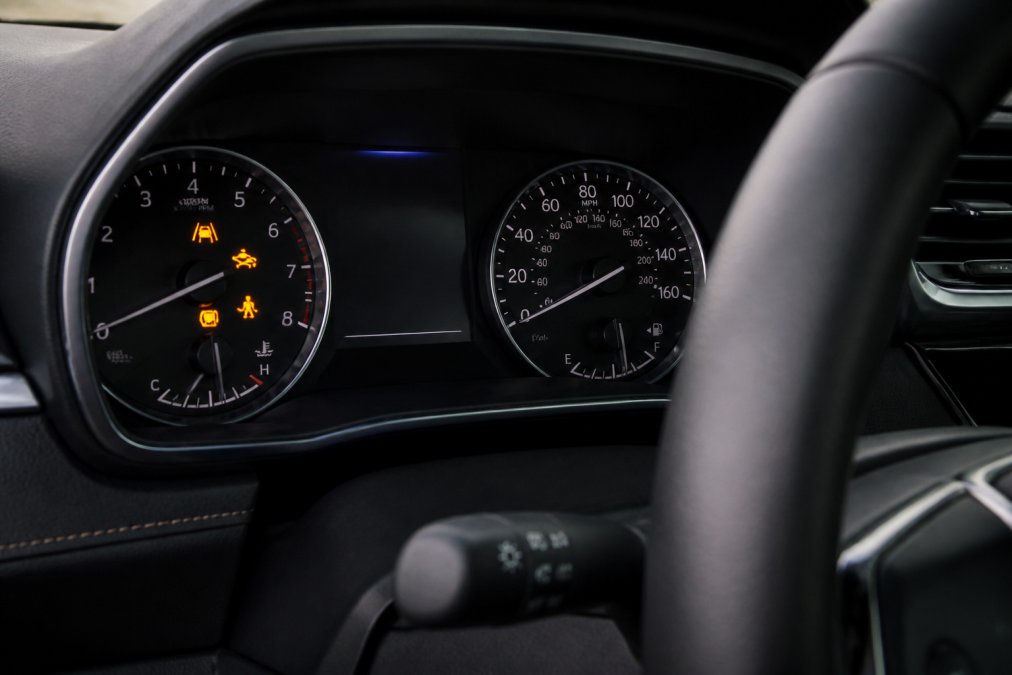
Here's what matters: a miscalibrated ADAS system won't function reliably. Your lane departure warning might not trigger when you drift. Your collision avoidance system might not detect obstacles. These aren't minor inconveniences, they're safety failures. The camera needs to be repositioned to exact manufacturer specifications, typically within millimeters of tolerance.
Does insurance pay for windshield recalibration? This question has become increasingly common as ADAS technology spreads across more vehicle models. The answer depends on your coverage type, your specific policy, and whether the recalibration is tied to a glass claim or performed separately. For many drivers with comprehensive coverage, the cost is covered, but the details matter significantly.
BL Auto Glass handles this complexity by including professional ADAS recalibration as part of the windshield replacement process when needed. Many drivers don't realize recalibration is necessary until after their glass is replaced, creating unexpected costs and safety concerns.
Does Your Insurance Cover Windshield Recalibration?
Insurance coverage for ADAS recalibration depends on whether you have comprehensive glass coverage and how your policy is structured. Most comprehensive insurance policies cover the windshield replacement itself, but recalibration sits in a gray area that varies by insurer and policy endorsement.
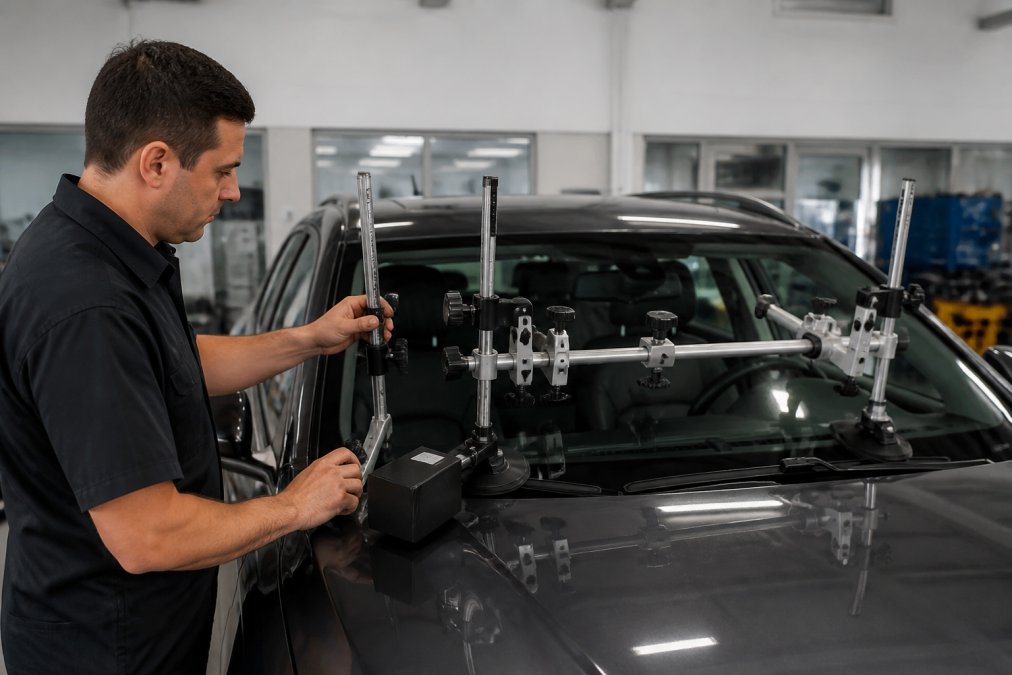
Here's the practical breakdown: if your windshield damage triggers a comprehensive claim and you have glass coverage, the insurer typically covers the replacement glass and labor. Recalibration, however, is often treated as a separate service. Some insurers include it automatically. Others require you to request it specifically. A few treat it as an optional add-on that may not be covered under your standard deductible.
The key variable is your policy endorsement. Some comprehensive policies include a glass endorsement that explicitly covers ADAS recalibration. Others don't mention it at all. You won't know unless you ask your insurer directly or have your repair facility contact them during the claims process.
When you file a windshield claim, your insurance adjuster will inspect the damage and authorize the repair or replacement. At that point, the repair facility should flag whether ADAS recalibration is needed. If your policy covers it, the cost gets added to the claim. If it doesn't, you'll be informed of the additional out-of-pocket cost before work begins.
The $0 deductible advantage available under Florida law for comprehensive glass claims applies to the glass replacement itself. Recalibration costs may be subject to your standard deductible depending on how your policy classifies the service. This is why verification matters, clarify the deductible situation before authorizing any work.
ADAS Recalibration Cost: What You Should Expect
The cost of ADAS recalibration varies based on your vehicle's make and model, the complexity of the ADAS system, and the calibration method required. Some vehicles have simple systems requiring static calibration; others have advanced systems needing dynamic calibration on the road.
If your insurance covers recalibration as part of a windshield claim, you typically pay only your deductible (or $0 if you have comprehensive glass coverage under Florida law). If it's not covered, you'll pay the full cost out of pocket. Some repair facilities offer package pricing that bundles glass replacement with recalibration at a discount compared to paying separately.
BL Auto Glass includes professional ADAS recalibration in its windshield replacement service when needed, eliminating the need to coordinate separate appointments or worry about calibration being overlooked after your glass is replaced.
How Long Does Windshield Recalibration Take?
The time required for ADAS recalibration depends on the calibration method your vehicle requires. Static calibration, performed in a controlled environment using specialized equipment, typically takes 30 minutes to 2 hours. Dynamic calibration, performed on the road under specific conditions, can take 20 to 40 minutes of actual driving.
Most modern vehicles require dynamic calibration, which is more accurate but requires the technician to drive your vehicle on specific routes at controlled speeds while the system validates sensor alignment. The total time from arrival to completion is usually 1 to 3 hours, depending on facility workflow and whether calibration is performed immediately after glass replacement or scheduled separately.
If your windshield replacement and recalibration are done on the same day, expect 2 to 4 hours total. The glass replacement itself takes 30 minutes to 2 hours depending on your vehicle type. Add calibration time on top of that. Some facilities can perform both services back-to-back; others schedule them sequentially with a gap between.
Same-day service is possible but not guaranteed. Scheduling matters. If you call early in the day, same-day replacement and calibration are more likely. If you call late afternoon, you might be scheduled for the next day, especially if the facility has other appointments ahead of you.
BL Auto Glass offers same-day windshield replacement appointments across Central Florida. When recalibration is needed, the team coordinates the full process, replacement, equipment setup, and calibration, to minimize your total time without the vehicle.
Is ADAS Calibration Mandatory After Glass Replacement?
ADAS calibration is mandatory after windshield replacement if your vehicle has ADAS features and the windshield replacement involved removing or disturbing the camera housing. If your vehicle doesn't have ADAS cameras, recalibration isn't applicable.
The question isn't whether you should do it, it's whether your vehicle requires it. Vehicle manufacturer specifications determine this. Luxury vehicles, newer models, and vehicles equipped with advanced safety packages almost always have ADAS systems. Older vehicles or basic economy models might not. Check your owner's manual or ask your repair facility to confirm whether your specific vehicle has ADAS that needs recalibration.
If your vehicle does have ADAS and you skip recalibration after glass replacement, your safety systems won't function reliably. The camera won't be properly aligned, so lane departure warnings might not trigger, collision avoidance might fail to detect obstacles, and adaptive cruise control might malfunction. These aren't cosmetic issues, they're safety failures that defeat the purpose of the systems your vehicle was designed with.
Insurance companies and vehicle manufacturers both expect recalibration to happen. Skipping it can create liability issues if you're in an accident and the ADAS system fails to function because it wasn't recalibrated after glass replacement. Some insurers may deny claims if they discover the system wasn't properly calibrated after a covered glass replacement.
Will Filing a Windshield Claim Increase Your Insurance Premium?
Filing a windshield claim typically does NOT increase your insurance premium. Comprehensive glass claims are treated differently from collision or liability claims. Most insurers have specific glass claim policies that exclude them from the calculations used to determine rate increases.
Here's why: comprehensive glass coverage exists specifically to encourage drivers to repair windshield damage quickly rather than driving with impaired visibility, which creates safety hazards. Insurers don't want to penalize drivers for using this coverage as intended. Filing a glass claim is not considered an "at-fault" incident or a sign of risky driving behavior.
However, the specifics depend on your policy and insurer. Some carriers have explicit language stating that comprehensive glass claims don't affect rates. Others might consider claims in aggregate if you file multiple claims in a short period. A single windshield claim? Almost certainly won't raise your premium. Three windshield claims in two years? That might trigger a review.
The CLUE report, Comprehensive Loss Underwriting Exchange, tracks claims history and can influence future rates. Glass claims appear on the CLUE report, but most insurers weight them lightly compared to collision or liability claims. When you renew your policy, the insurer reviews your claims history. A single glass claim rarely moves the needle on renewal pricing.
The bigger concern isn't the glass claim itself, it's filing additional claims for other incidents. If you file a windshield claim, then file a collision claim three months later, the combination might trigger a rate review. But the windshield claim alone? It's typically a non-event for premium pricing.
Aftermarket vs. OEM Glass: How It Affects Your Coverage
The type of glass used in your windshield replacement, aftermarket or OEM (Original Equipment Manufacturer), can affect both your insurance coverage and your ADAS recalibration requirements.
OEM glass is manufactured by your vehicle's original manufacturer or an approved supplier. It meets exact factory specifications for thickness, composition, and camera housing integration. Aftermarket glass is manufactured by third-party suppliers and meets industry safety standards but may not match factory specifications exactly.
Insurance companies typically cover both OEM and aftermarket glass replacements under comprehensive coverage. Your policy won't usually specify which type must be used. However, some policies include language requiring "like-kind" glass, which means glass equivalent in quality to the original. This can favor OEM glass in disputes, though most claims don't reach that level of scrutiny.
The ADAS recalibration question is where OEM vs. aftermarket matters most. OEM glass is engineered to preserve the camera housing alignment and minimize recalibration complexity. Aftermarket glass sometimes requires more extensive recalibration or may not integrate perfectly with the camera housing, potentially requiring additional adjustments.
Your vehicle manufacturer's specifications determine what calibration is needed regardless of glass type. Using OEM glass doesn't eliminate the need for recalibration, it just ensures the glass integrates cleanly with the camera housing. Aftermarket glass may require the same recalibration but could involve additional diagnostic steps if the housing fit is slightly different.
Most repair facilities recommend OEM glass for vehicles with ADAS systems, not because aftermarket glass is unsafe, but because OEM glass simplifies the calibration process and ensures factory-specification alignment. The cost difference between OEM and aftermarket glass varies by vehicle model, sometimes a few hundred dollars, sometimes more.
Your insurance company will typically approve either type. If you have a choice, asking your repair facility whether OEM glass is recommended for your specific vehicle's ADAS system is worth the conversation. BL Auto Glass can advise on whether OEM or aftermarket glass makes sense for your vehicle and ADAS configuration.
Filing a windshield claim and addressing ADAS recalibration doesn't have to be stressful. The process is straightforward when you understand what your insurance covers and why recalibration matters. Most comprehensive policies cover both the glass replacement and recalibration, often with $0 deductible under Florida law. The key is asking your insurer the right questions upfront and working with a repair facility that handles the claims process professionally.
BL Auto Glass simplifies this entire experience by managing your insurance claim from start to finish, coordinating ADAS recalibration when needed, and ensuring your vehicle's safety systems function properly after replacement. With same-day appointments and a lifetime warranty on glass, you get your vehicle back on the road quickly and safely, without the administrative hassle.
Ready to get your windshield repaired or replaced? Contact BL Auto Glass to schedule a same-day appointment and let our team handle your insurance claim and ADAS recalibration.
Frequently Asked Questions
Does comprehensive insurance cover windshield recalibration?
Comprehensive coverage typically covers windshield replacement itself, but recalibration is often treated as a separate service. Coverage depends on your specific policy and whether your insurance company recognizes ADAS recalibration as part of the glass repair claim. Check your policy documents or contact your insurer directly to confirm. Some policies include it; others require you to pay out of pocket. This distinction is critical, don't assume recalibration is covered just because your windshield replacement is.
Will my insurance premiums increase if I file a windshield claim?
Windshield claims typically do not increase your premium under most comprehensive policies, especially in states with glass coverage laws. However, this depends on your insurer's underwriting practices and your specific policy terms. Your claims history is tracked in the CLUE report (Comprehensive Loss Underwriting Exchange), which insurers review during renewal. Filing multiple claims within a short period may trigger a rate increase. Contact your agent before filing to understand your policy's specific impact.
How long does ADAS recalibration take after windshield replacement?
Static calibration typically takes 30 minutes to 1 hour, while dynamic calibration can take 1-2 hours depending on road conditions and equipment availability. The total time also depends on your vehicle's specific advanced driver assistance systems and whether the calibration facility has the proper diagnostic equipment on-site. Some facilities can complete the entire windshield replacement and recalibration the same day, while others may require a follow-up appointment for calibration.
Is ADAS calibration mandatory after windshield replacement?
Yes, ADAS calibration is mandatory after windshield replacement if your vehicle has advanced driver assistance systems like lane departure warning or collision avoidance. The windshield houses safety cameras and sensors that must be realigned to vehicle manufacturer specifications to function correctly. Skipping recalibration leaves your safety systems inoperative, which violates Federal Motor Vehicle Safety Standards and creates a liability risk. Your insurance company or repair facility should verify whether your vehicle requires calibration based on its make and model.
This article was written using GrandRanker