
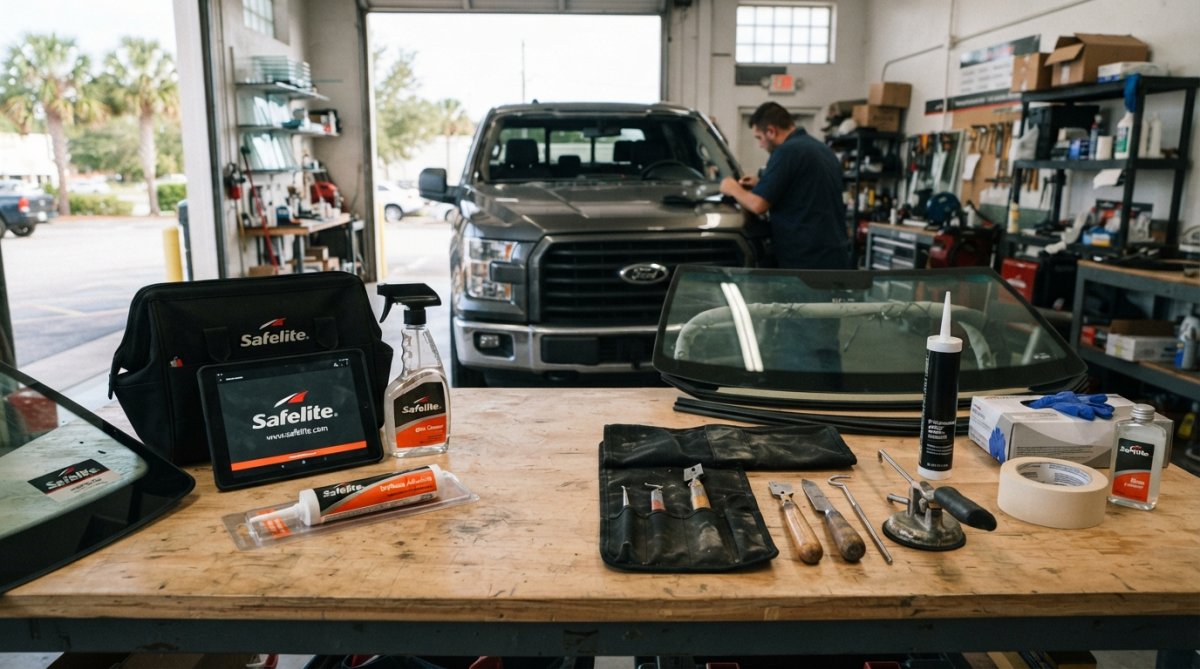
 comparison
Safelite vs Local Auto Glass Shops: Which to Choose?
Table of Contents
- Safelite vs Local Auto Glass Shops: Key Differences at a Glance
- Quality of Glass and Installation Standards: OEM vs Aftermarket
- Windshield Camera Recalibration Requirements After Replacement
- Understanding the Auto Glass Insurance Claim Process
- Comparing Mobile Windshield Replacement Cost and Value
- Scheduling, Turnaround Time, and Convenience Factors
- Warranty Coverage, Technician Certification, and Safety Considerations
- Final Verdict: Choosing the Right Auto Glass Provider
- Frequently Asked Questions
Last Updated: September 6, 2026
Choosing between a national chain and an independent shop is one of the most common dilemmas for drivers needing windshield replacement. The decision involves more than price: it affects your vehicle's structural integrity, the performance of advanced safety systems, and how smoothly your insurance claim gets processed. In this BL Auto Glass guide, we break down the real differences between Safelite vs local auto glass shops so you can make an informed choice that prioritizes safety and value.
The biggest mistake most drivers make is assuming all auto glass providers deliver identical results. The right choice depends on your vehicle type, your insurance situation, and how quickly you need the work completed.
Safelite vs Local Auto Glass Shops: Key Differences at a Glance
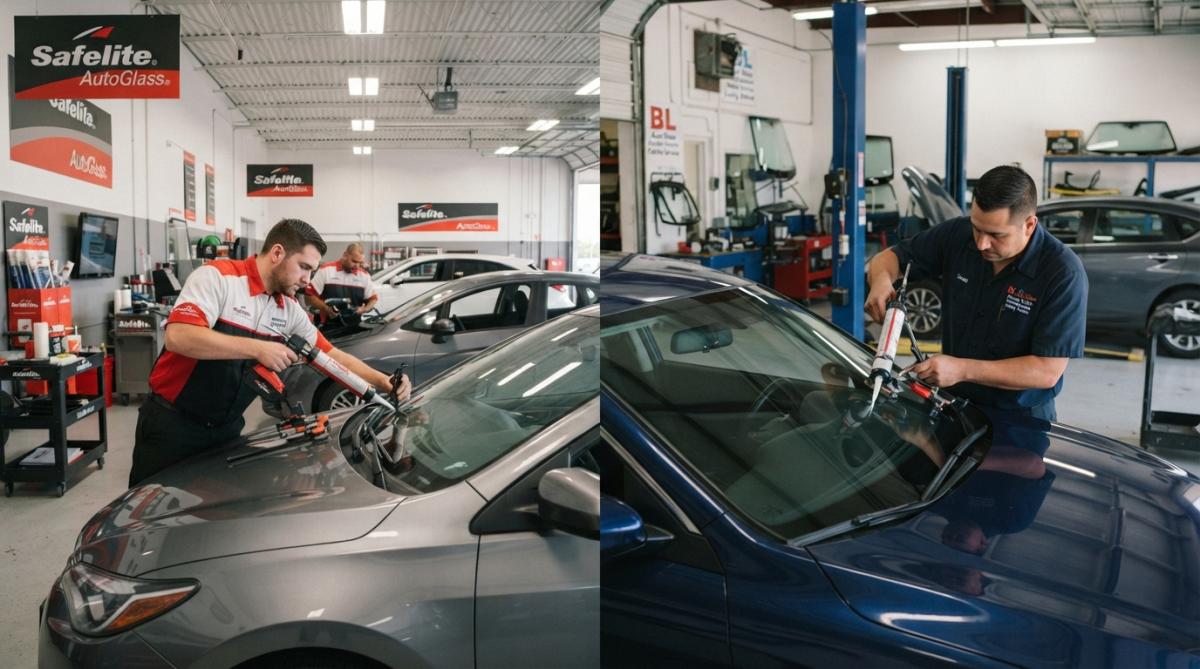
National chains like Safelite dominate the market through volume, brand recognition, and extensive mobile fleets. Independent shops compete on craftsmanship, direct communication, and often more flexible scheduling. The core tension comes down to consistency versus customization.
A national chain's strength lies in its standardized processes and broad reach. An independent shop typically offers a more hands-on experience where the technician who answers your call is likely the one performing the installation. This difference matters when you have questions about glass quality, fit, or recalibration.
| Factor | National Chain | Local Independent Shop |
|---|---|---|
| Scheduling | Large mobile fleet, broad availability | Often same-day or next-day appointments |
| Glass Options | Primarily aftermarket, OEM on request | More likely to source OEM glass directly |
| Communication | Call centers, scripted responses | Direct line to the technician |
| Claim Handling | Standardized insurance processes | Personalized, full-service claim management |
| Warranty | Typically 1 year to lifetime | Often lifetime, backed by the shop itself |
Quality of Glass and Installation Standards: OEM vs Aftermarket
The glass itself is where cost differences hide. Original Equipment Manufacturer glass meets the exact specifications set by your vehicle's maker, while aftermarket glass is produced by third-party manufacturers. Both can be safe when installed correctly, but the fit and optical clarity can vary.
For newer vehicles with advanced driver assistance systems, OEM glass is often recommended because the tolerances for camera mounting and light transmission are stricter. Many independent shops, including those focused on quality, will source OEM glass upon request without the markup a dealership charges. Installation standards matter just as much: proper preparation of the mounting surface, correct application of urethane adhesive, and adequate curing time before the vehicle is driven.
The National Highway Traffic Safety Administration guidelines on windshield structural integrity emphasize that the windshield provides up to 45% of the cabin's structural strength in a frontal crash and up to 60% in a rollover. That makes installation quality a safety issue, not just a cosmetic one.
Windshield Camera Recalibration Requirements After Replacement
The cameras that support ADAS are not simply mounted to the glass; they are positioned with tolerances measured in fractions of a degree. When a windshield is removed, the camera bracket's original factory alignment is lost, skewing the camera's view of the road even if it looks perfectly straight to the naked eye.
There are two distinct types of recalibration procedures, and the difference matters for your safety and your wallet. Static recalibration requires a controlled indoor environment with a specific target pattern placed at a precise distance and angle from the vehicle. The technician uses a diagnostic tool to command the camera to read the target and adjust its internal offsets. This process typically takes 45 to 90 minutes and requires the shop to own the target system and the software license for your vehicle's make and model. Dynamic recalibration involves driving the vehicle on a clear, flat road while the system reads lane markings and road signs to self-correct. This method is less precise and often used only when the manufacturer permits it, but it depends heavily on road conditions and can fail if markings are faded.
A camera misaligned by even one degree can cause the lane departure warning to trigger constantly on straight highways. Far worse, the automatic emergency braking system may fail to detect a stopped vehicle because the camera's field of view is shifted. The Insurance Institute for Highway Safety has documented that these systems reduce rear-end crashes by about 50 percent when functioning correctly (iihs.org).
A common pattern among local shops is to quote a price that excludes recalibration, only to add it as a surprise after the glass is installed. National chains often include it in the base quote but may use a mobile recalibration service that lacks the controlled environment of a static setup. Ask the shop directly whether they perform static recalibration in-house, what target system and software they use, and whether the quote includes the calibration fee. A reputable shop will answer these questions without hesitation.
The Auto Glass Safety Council's recommended procedures require that any shop performing replacement on a camera-equipped vehicle verify the system using the proper equipment. Independent shops that invest in a static calibration bay and maintain current software licenses can match or exceed the technical capabilities of a national chain. The key question is not whether the shop is national or local; it is whether they have the equipment, the training, and the honesty to tell you what calibration your vehicle actually needs.
Understanding the Auto Glass Insurance Claim Process
Comprehensive coverage usually pays for windshield replacement, but the path from a cracked glass to a completed installation is rarely straightforward. Your choice of repair shop is protected by law in most states, yet many drivers unknowingly surrender that choice because they do not understand how the system works.
The term you need to know is preferred provider network. Insurance companies negotiate discounted rates with certain glass shops in exchange for steering policyholders toward them. When you call your insurer to file a claim, the representative will often say something like, 'We have a preferred vendor who can handle this for you with no out-of-pocket cost.' That phrasing is designed to sound like a benefit, but it is actually a restriction. The preferred shop has agreed to a lower labor rate and a specific parts sourcing arrangement, which may mean aftermarket glass rather than OEM glass, even if your policy includes an OEM endorsement.
State laws vary on how aggressively insurers can steer you. Some states, such as Florida and South Carolina, have specific anti-steering statutes that prohibit insurers from requiring you to use a particular shop. The practical reality is that the insurer's phone representative controls the flow of information. If you do not ask the right questions, you will never know that you have options.
Here is the critical fine print most drivers miss: Your policy's deductible and OEM coverage terms are separate from the shop's pricing. If your policy has a $500 comprehensive deductible, the insurer will pay the replacement cost minus that deductible, regardless of which shop you choose. Some states have laws that waive the deductible for glass claims, but that waiver applies to the claim itself, not to the shop's invoice. A shop that offers to 'waive your deductible' is often absorbing that cost by reducing its own labor charges or by billing the insurer for additional work, a practice that can cross into insurance fraud if done improperly.
A reputable local shop will handle the claim paperwork on your behalf, but they cannot override your policy terms. If your policy includes OEM coverage, a local shop that has a direct relationship with the vehicle manufacturer's parts network can source the correct glass and provide the documentation your insurer needs. A national chain's claims department may be efficient, but its primary allegiance is to its own corporate bottom line.
Some insurers require a pre-authorization inspection before approving the claim, which can delay your replacement by days. Ask your chosen shop whether they can coordinate the inspection directly with your insurer. Many experienced local shops have established relationships with adjusters and can schedule the inspection to happen at the same time as the installation.
Comparing Mobile Windshield Replacement Cost and Value
Mobile windshield replacement cost is often the deciding factor, but comparing apples to apples requires looking beyond the sticker price. A lower quote may exclude recalibration, use lower-grade aftermarket glass, or come with a shorter warranty.
National chains use purchasing power to offer competitive base pricing. Independent shops often match those prices while providing more personalized service, with a warranty backed by a local business that relies on its reputation.
Scheduling, Turnaround Time, and Convenience Factors
A cracked windshield is a safety hazard that worsens quickly, so scheduling speed matters. National chains offer extensive mobile fleets that can often reach you within days, while local auto glass shops frequently provide same-day appointments.
Mobile installation, where the technician comes to your home or workplace, adds significant convenience for busy drivers. Many independent shops offer this service at no extra charge. The trade-off is that some complex recalibrations require a shop environment with controlled lighting and specific equipment, which may mean a trip to the facility.
Warranty Coverage, Technician Certification, and Safety Considerations
Warranty terms vary widely between providers. National chains often back their work with a warranty that covers leaks and defects for a set period, while independent shops may offer a lifetime warranty, signaling confidence in their installation quality.
Technician certification is another differentiator. Look for installers trained under recognized standards, such as those from the Auto Glass Safety Council, which indicate an understanding of proper installation techniques and the specific requirements of modern vehicles with safety sensors.
The Federal Motor Vehicle Safety Standards for glazing materials set the baseline for what glass must withstand. Both national chains and reputable independent shops should comply with these standards, but how they implement the requirements varies with training and attention to detail.
Final Verdict: Choosing the Right Auto Glass Provider
The best choice depends on your priorities. If you need a replacement handled entirely through a large insurer's network and are comfortable with standardized service, a national chain can work. If you value direct communication, guaranteed OEM glass options, and a technician who treats your vehicle with care, a local auto glass shop is often the stronger pick.
For drivers in Central Florida, BL Auto Glass combines the best of both approaches: free mobile service that comes to you, same-day appointments, full insurance claim handling that often results in a $0 deductible under Florida law, and professional camera recalibration included when needed. Their family-owned operation has served the community for over a decade, and their lifetime warranty reflects a commitment to quality.
Before booking, get a quote that itemizes the glass type, calibration, and warranty terms, and ask about the technician's training. The right provider will answer those questions clearly and confidently.
Choosing between Safelite and local auto glass shops ultimately comes down to what you value: brand recognition or personal accountability. BL Auto Glass offers the convenience of mobile service with the craftsmanship of a family-owned business, handling your insurance claim from start to finish and including camera recalibration when your vehicle needs it. With a lifetime warranty and same-day appointments, they make the safe choice the easy one. Book your replacement today and experience the difference of a provider that treats your safety as their priority.
Frequently Asked Questions
Is it better to use a local auto glass shop or a national chain?
The right choice depends on your priorities. National chains offer widespread availability and standardized processes, which can be convenient. However, local auto glass shops often provide more personalized service, direct communication with the technician performing the work, and may offer more flexible pricing. Local shops are also more likely to stock OEM glass on request. For many drivers, the hands-on accountability and customer service of a local shop outweigh the scale of a national brand.
Does insurance cover windshield replacement at local shops?
Yes, insurance covers windshield replacement at local shops if you have comprehensive coverage. The auto glass insurance claim process is the same regardless of where you get the work done. A reputable local shop will handle the paperwork and communicate directly with your insurer. Under Florida law, you may qualify for a $0 deductible for windshield replacement, so you pay nothing out of pocket. Confirm your coverage details with your insurance provider first.
What is the difference between OEM and aftermarket glass?
OEM (Original Equipment Manufacturer) glass is made by the same manufacturer that supplied the part for your vehicle when it was built, ensuring an exact fit and matching quality. Aftermarket glass is produced by third-party companies and may vary in quality and fit. National chains often default to aftermarket glass to control costs, while local shops may be more willing to source OEM glass. Your choice can affect the structural integrity of the windshield and the performance of safety sensors.
Do local auto glass shops provide ADAS recalibration?
Many reputable local auto glass shops now provide ADAS recalibration, just like national chains. This is a critical step for vehicles with safety features like lane departure warning, automatic emergency braking, and adaptive cruise control. After a windshield replacement, the camera and sensors must be realigned to factory specifications. Ask any shop, local or national, for proof of the proper calibration equipment and technician certification before you book. Skipping this step is a serious safety risk.
What are the hidden costs when choosing a national glass repair chain?
Hidden costs with national chains often stem from the quality of parts and the thoroughness of the installation. They may use aftermarket glass instead of OEM without clearly explaining the difference, which can affect fit and optical clarity. You might also face separate charges for services like ADAS calibration or new molding and clips, which should be part of a complete installation. Always get an itemized quote and ask what exactly is included in the final price.