
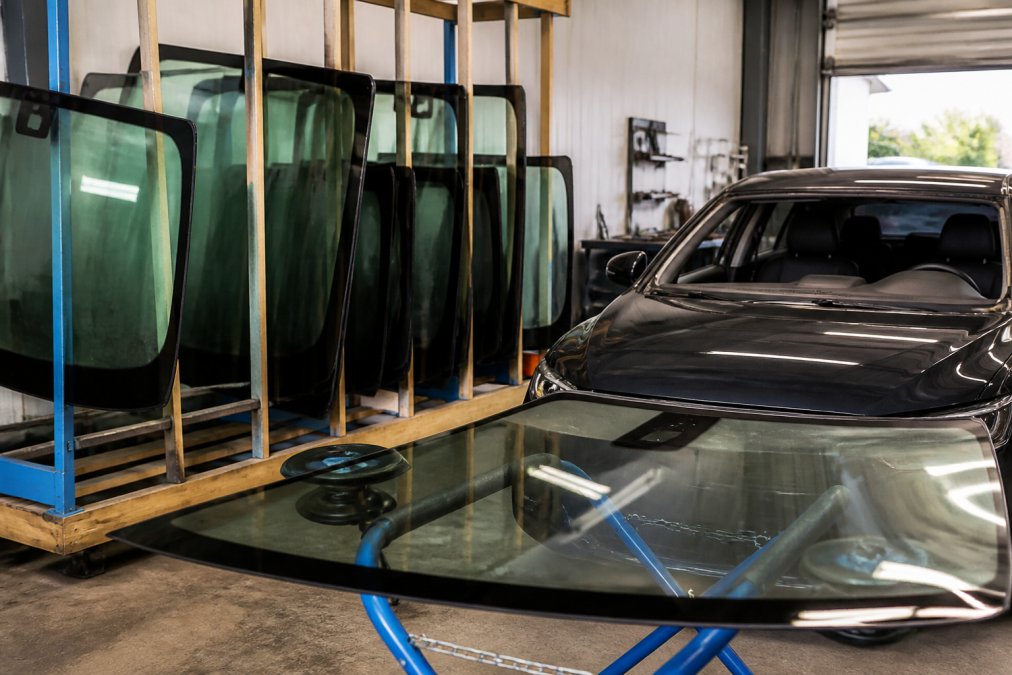
 comparison
Alternatives to OEM Glass for Windshield Replacement
Table of Contents
- OEM Glass vs. Aftermarket Glass: What's the Real Difference?
- Quick Comparison: OEM, OEE, and Aftermarket Glass
- Is Aftermarket Windshield Glass Safe? Safety Standards and DOT Compliance
- ADAS Windshield Compatibility: Why Calibration Matters
- Windshield Replacement Quality Issues: What to Inspect After Installation
- Insurance Coverage for OEM Glass: What Does Your Policy Pay For?
- Visual Identification Guide: How to Tell OEM Glass from Aftermarket
- Making the Right Choice for Your Vehicle
- Frequently Asked Questions
Last Updated: September 5, 2026
When your windshield cracks, the repair shop will almost always offer you a choice: pay for expensive Original Equipment Manufacturer (OEM) glass or save money with an aftermarket alternative. For many drivers, the alternatives to OEM glass for windshield replacement are not just budget-friendly; they are often manufactured to the same safety standards and can save you hundreds of dollars. At BL Auto Glass, we have spent over a decade helping Central Florida drivers navigate these choices, and we know that the right decision depends on your vehicle, your insurance policy, and how you drive. Before you authorize any replacement, you need to understand what you are actually paying for and whether the cheaper option compromises your safety.
The core tension here is simple: OEM glass carries a dealership markup, while aftermarket glass offers savings. Below, we break down the real differences, the safety standards that govern both, and the hidden costs that can appear when your car is equipped with modern driver-assistance sensors. We will show you exactly how to identify what type of glass you are getting and what to inspect after installation to avoid common quality issues.
OEM Glass vs. Aftermarket Glass: What's the Real Difference?
OEM glass is manufactured by the same company that supplied the glass for your vehicle when it left the factory, and it is sold through dealerships with a significant markup. Aftermarket windshield glass, by contrast, is produced by independent manufacturers who reverse-engineer the specifications to match your vehicle's original dimensions. The primary difference is not necessarily quality; it is the supply chain and the branding.
Most drivers assume OEM is always superior, but that is not accurate. Many aftermarket manufacturers produce glass that meets or exceeds the original factory specifications. The real distinction comes down to fit, finish, and the specific materials used. For example, some aftermarket options use the same acoustic interlayers and solar tinting found in OEM glass, while cheaper alternatives might omit these features to cut costs. When you are evaluating alternatives to OEM glass for windshield replacement, you are essentially weighing brand assurance against price.
Quick Comparison: OEM, OEE, and Aftermarket Glass
To make an informed choice, you need to understand the three tiers of replacement glass available on the market today. Original Equipment Equivalent (OEE) glass is a specific category of aftermarket glass that is reverse-engineered to meet the original factory dimensions and is often produced by the same manufacturers that supply OEM glass. OEE glass is widely available through independent auto glass shops and offers a balance of quality and affordability.
| Glass Type | Typical Cost Range | Fit and Finish | Best For |
|---|---|---|---|
| OEM (Dealership) | Highest | Perfect, factory-branded | Leased vehicles, strict warranty requirements |
| OEE (Original Equipment Equivalent) | Moderate | Factory-level dimensions | Most drivers seeking quality and value |
| Generic Aftermarket | Lowest | Varies by manufacturer | Budget-conscious repairs, older vehicles |
The most common choice for drivers paying out of pocket is OEE glass because it delivers factory-level fit without the dealership premium. Generic aftermarket glass, while cheaper, requires more scrutiny regarding the manufacturer's quality control and safety certification. For vehicles with rain-sensing wipers or a heads-up display, the glass type matters even more because these features depend on precise optical clarity and specific mounting points.
Is Aftermarket Windshield Glass Safe? Safety Standards and DOT Compliance
Safety certification is the non-negotiable factor in any windshield replacement. In the United States, all automotive glass sold for highway use must comply with Federal Motor Vehicle Safety Standards, specifically FMVSS 205, which governs glazing materials (nhtsa.gov). A compliant windshield will have a DOT number etched into the glass, certifying that the manufacturer meets these federal safety requirements. According to the National Highway Traffic Safety Administration's standards for glazing, this certification covers impact resistance and optical clarity requirements.
A common misconception is that aftermarket glass is inherently less safe than OEM glass. In practice, a properly installed aftermarket windshield that carries a DOT certification provides the same structural safety and clarity as its OEM counterpart. The windshield is a critical structural component of your vehicle, contributing to roof crush resistance and proper airbag deployment. The integrity of the glass matters less than the integrity of the installation and the quality of the urethane adhesive used to bond it to the frame. A poor installation with OEM glass is far more dangerous than a correct installation with certified aftermarket glass.
ADAS Windshield Compatibility: Why Calibration Matters
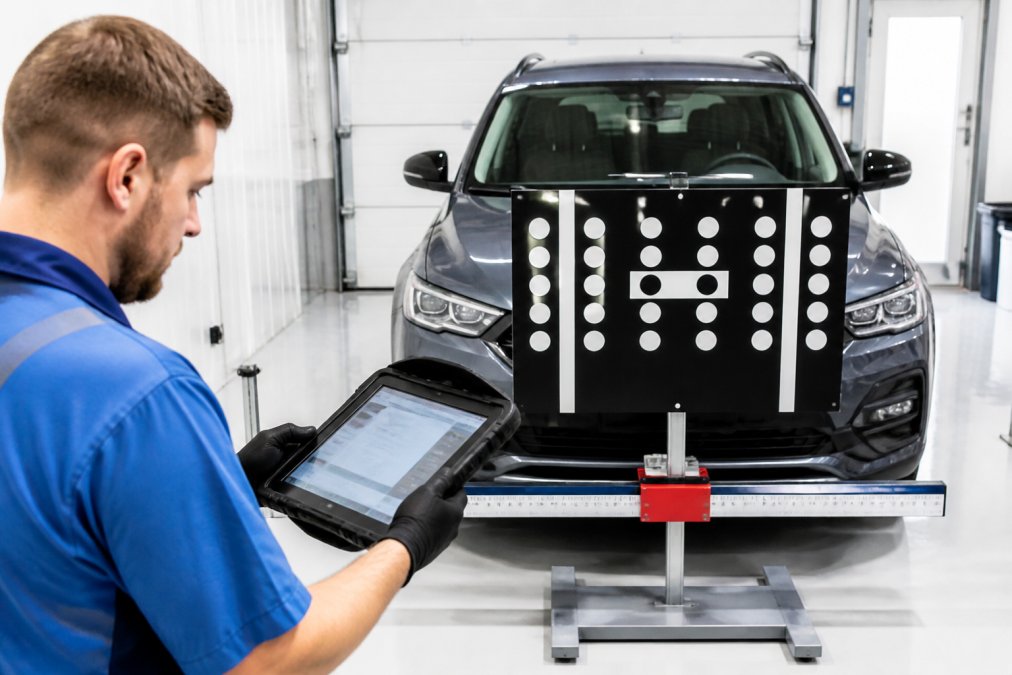
Modern vehicles are equipped with Advanced Driver Assistance Systems (ADAS), which include features like lane-keeping assist, automatic emergency braking, and adaptive cruise control. These systems rely on cameras and sensors that are typically mounted to the windshield, usually near the rearview mirror. When you replace the glass, the camera is removed and reinstalled, which means the system must be recalibrated to ensure it functions correctly.
This is where the decision between OEM and aftermarket glass becomes critical. The glass itself must have the correct optical properties in the area where the camera looks through it. If the glass has slight distortions or the wrong thickness, the camera may misread lane markings or distance to obstacles. The Auto Glass Safety Council's position on ADAS recalibration is clear: any vehicle with ADAS features requires recalibration after a windshield replacement, regardless of whether OEM or aftermarket glass is used. Skipping this step can cause systems to malfunction, potentially leading to a collision.
The cost of recalibration is often a hidden factor when comparing alternatives to OEM glass for windshield replacement. A lower-priced aftermarket windshield can lose its value advantage if you are quoted an additional fee for calibration. Many reputable shops include this service in their total quote, so always ask whether the price covers recalibration for your specific vehicle model.
Windshield Replacement Quality Issues: What to Inspect After Installation
Even with high-quality glass, the installation process determines whether your new windshield performs correctly. Windshield replacement quality issues typically fall into three categories: seal failures, fit problems, and optical distortions. A proper installation leaves a uniform gap between the glass and the body, with no visible gaps in the urethane adhesive.
Within the first week after installation, you should inspect the molding around the edges of the glass. Run your hand along the interior and exterior edges; you should feel a smooth, continuous seal without any raised or uneven sections. Water leaks often appear only after the first heavy rain, so check for dampness on the dashboard or floor mats. Wind noise at highway speeds is another indicator of a poor seal. The glass should sit flush with the roofline, and the trim should snap firmly into place without gaps.
Optical clarity is the final check. Look through the glass at a distant straight line, such as a power line or building edge, and move your head side to side. If the line appears to wave or distort, the glass has an optical defect. This distortion can cause driver fatigue and is a legitimate reason to reject the installation. A reputable shop will stand behind its work with a warranty, so do not hesitate to return if you notice any of these issues.
Insurance Coverage for OEM Glass: What Does Your Policy Pay For?
Your insurance policy is often the deciding factor in whether you can afford OEM glass. Drivers with comprehensive insurance coverage may have a glass claim option that waives the deductible, but this varies by state and by policy. In Florida, where BL Auto Glass operates, state law requires insurers to waive the deductible for windshield repair, but replacement claims are subject to your specific policy terms. Many policies will only pay for aftermarket glass unless your vehicle is less than a year old or you have an endorsement that specifically covers OEM parts.
The distinction matters because a standard policy typically covers the cost of a "like kind and quality" replacement, which means the insurer will pay for aftermarket or OEE glass and require you to pay the difference if you insist on OEM. Before scheduling a replacement, call your insurer and ask two questions: Does my policy include an Original Equipment Manufacturer (OEM) glass endorsement, and will a replacement claim raise my premiums? Some policies include an aftermarket parts rider that explicitly allows the insurer to use non-OEM parts, while others require your written consent.
Visual Identification Guide: How to Tell OEM Glass from Aftermarket
You can identify whether a windshield is OEM or aftermarket by looking at the markings printed in the corner of the glass. OEM glass typically carries the vehicle manufacturer's logo (such as a Ford oval or Toyota emblem) alongside the brand name of the glass supplier and a DOT certification number. Aftermarket glass will have the glass manufacturer's name but will not display the vehicle manufacturer's logo.
The DOT number is your most reliable indicator of safety certification, but it does not tell you whether the glass is OEM or aftermarket. To confirm the glass type, you need to check for the vehicle manufacturer's logo. If the logo is present, it is OEM; if it is absent, it is aftermarket or OEE. Some OEE manufacturers produce glass that mimics the original markings closely, so if authenticity matters to you, ask the installer to show you the glass before installation and verify the markings yourself.
Windshield glass also carries other identifying marks, including the date of manufacture and a code for the glass thickness. OEM glass often has a specific acoustic interlayer that reduces cabin noise, and you can sometimes see a slight tint or a small acoustic logo near the edge. If you are unsure, ask your installer for the invoice that lists the part number; you can cross-reference this part number online to confirm whether it is a genuine OEM part or an aftermarket equivalent.
Making the Right Choice for Your Vehicle
The best choice between OEM and alternatives to OEM glass for windshield replacement depends on your specific situation. If you lease your vehicle, your lease agreement likely requires OEM glass, and using aftermarket parts could result in a penalty at turn-in. If you own your vehicle outright and it is more than a few years old, aftermarket or OEE glass offers the best value without compromising safety. For vehicles equipped with ADAS, the priority should be finding a shop that guarantees proper recalibration, regardless of which glass you choose.
Climate and environmental durability should also factor into your decision. In Central Florida's intense heat and humidity, the quality of the urethane adhesive and the glass's solar tinting properties matter more than the brand name on the corner. A high-quality aftermarket windshield with good solar tinting will protect your interior from UV damage just as effectively as OEM glass. The structural safety of your vehicle depends on the installation quality, so choose a certified technician who will stand behind the work with a written warranty.
Choosing the right windshield replacement involves balancing cost, safety, and the specific requirements of your vehicle's technology. BL Auto Glass helps Central Florida drivers navigate this decision daily, offering free mobile service and same-day appointments so you are never stuck with a damaged windshield. Our team handles your insurance claim from start to finish, and we include professional camera recalibration when your vehicle needs it, ensuring your ADAS features work correctly after installation. All our work complies with Federal Motor Vehicle Safety Standards and is backed by a lifetime warranty. Get started with BL Auto Glass and have your new windshield installed correctly at your home or office today.
Frequently Asked Questions
Is aftermarket windshield glass as good as OEM?
Quality aftermarket glass, often called OEE (Original Equipment Equivalent), is manufactured to match factory specifications for fit, optical clarity, and structural safety. Reputable brands use the same laminated glass and meet DOT safety standards. The primary difference is the absence of the automaker's logo. Choosing a certified auto glass technician for installation matters as much as the glass brand itself.
Will aftermarket glass affect my vehicle's ADAS features?
Yes, it can if not handled correctly. ADAS windshield compatibility depends on the glass allowing sensors to see clearly and on proper recalibration after installation. A quality aftermarket windshield with the correct optical zone will work fine. However, a professional must perform a camera recalibration to ensure features like lane-keeping assist and automatic emergency braking function accurately.
Does insurance cover OEM windshield replacement?
It depends on your policy. Many standard comprehensive policies cover aftermarket or OEE glass. Insurance coverage for OEM glass often requires a specific endorsement or a vehicle less than one year old. Review your policy documents or ask your insurer if an OEM endorsement is included. BL Auto Glass can help verify your coverage and explain any deductible, often resulting in a $0 deductible replacement under Florida law.
How can I tell if a windshield is OEM or aftermarket?
Check the corners of the glass for the manufacturer's logo. OEM glass will display the automaker's brand (like Ford or Toyota) along with a DOT safety certification number. Aftermarket glass typically features the glass manufacturer's own logo (like Pilkington or PPG) or no logo at all, but it will still have a DOT number. The absence of the car brand's logo is a strong indicator of aftermarket glass.
This article was written using GrandRanker