 ultimate-guide
Does Insurance Cover Windshield Recalibration Costs?
Table of Contents
- What Is ADAS Recalibration and Why Does Your Windshield Replacement Trigger It?
- Does Comprehensive Coverage Include Windshield Recalibration?
- How Long Does Windshield Recalibration Take?
- Static vs Dynamic ADAS Calibration: Which Type Does Insurance Cover?
- Understanding the Windshield Replacement Insurance Claims Process
- Deductibles and Out-of-Pocket Costs: What You Actually Pay
- How to Verify Your Insurance Policy Coverage for Recalibration
- Conclusion
Last Updated: August 26, 2026
What Is ADAS Recalibration and Why Does Your Windshield Replacement Trigger It?
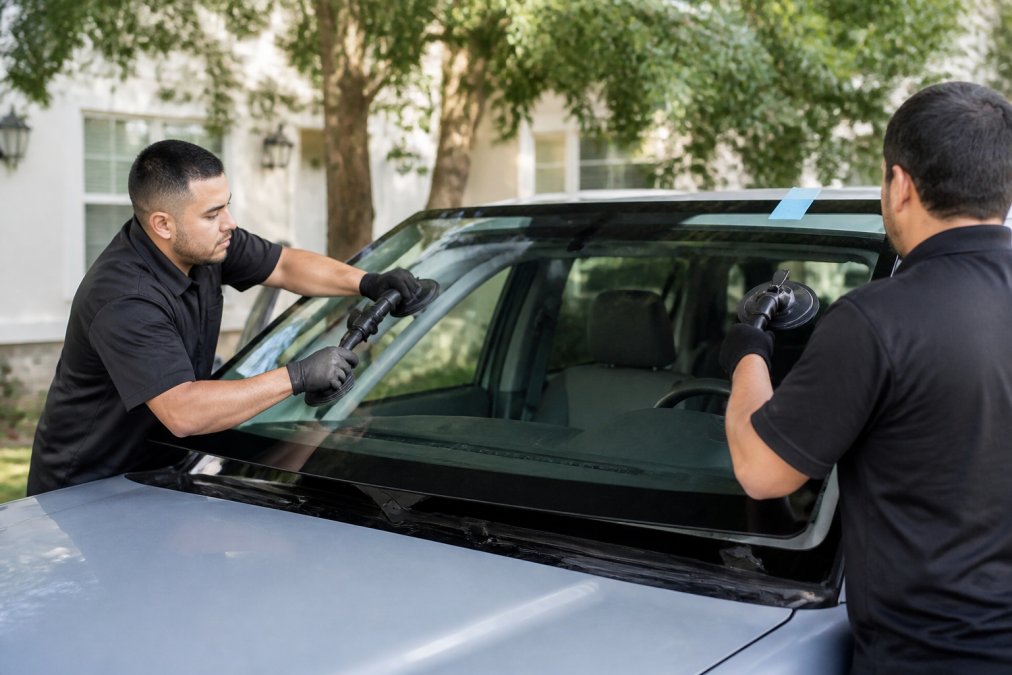
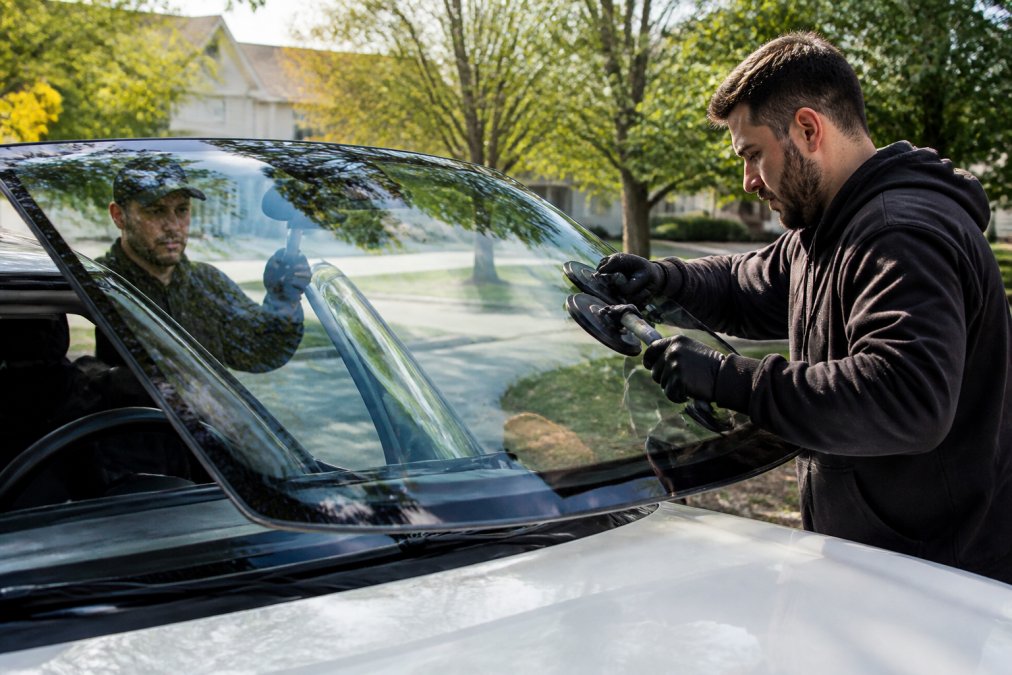
ADAS recalibration realigns your vehicle's advanced driver assistance system cameras and sensors after windshield replacement to restore their original accuracy. Modern vehicles rely on safety cameras mounted behind the windshield to power critical features like lane departure warning, automatic emergency braking, and adaptive cruise control. When you replace the windshield, you remove the mounting surface for these cameras, requiring recalibration to ensure precise positioning.
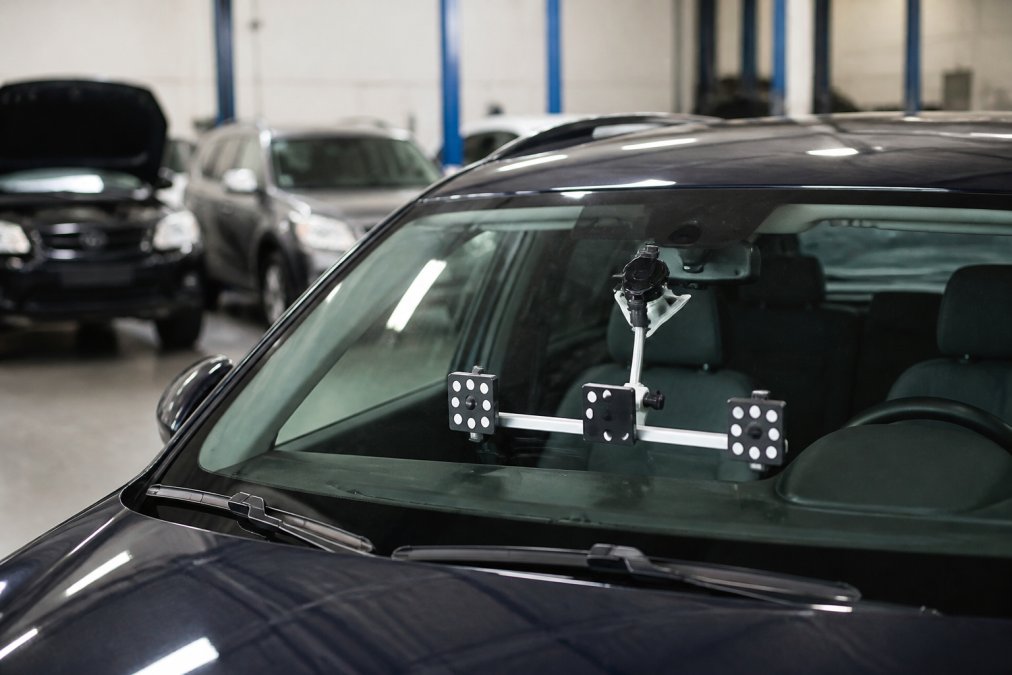
A windshield replacement alone doesn't guarantee your ADAS systems will work correctly. Slight misalignment can cause lane-keeping features to fail or automatic emergency braking to respond imprecisely, a safety issue, not just a convenience problem. The recalibration process uses specialized equipment to adjust camera position until it matches manufacturer specifications. Two main types exist: static calibration (performed with the vehicle stationary) and dynamic calibration (performed on the road while moving). Both serve the same goal using different verification methods.
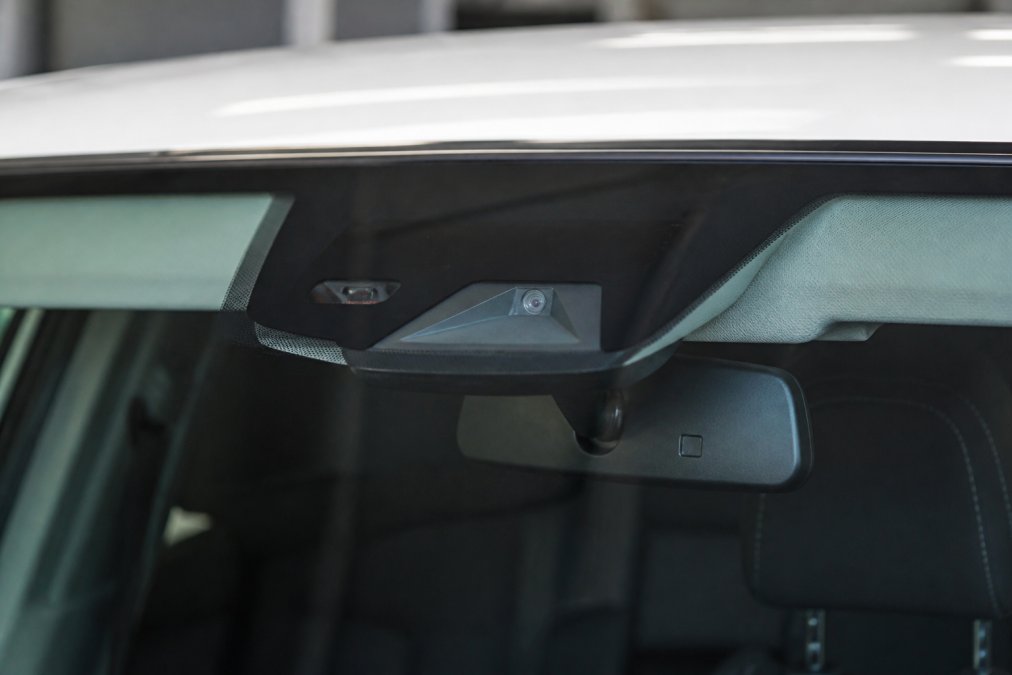
When you contact an auto glass company like BL Auto Glass, they'll assess whether your vehicle needs recalibration based on your model. Vehicles manufactured in the last decade almost certainly require it. Whether insurance covers recalibration depends on your policy and how the claim is filed.
Does Comprehensive Coverage Include Windshield Recalibration?
Comprehensive coverage typically covers windshield replacement, but recalibration coverage is complicated. Your policy may cover the glass while leaving recalibration costs as your responsibility, or it may include both depending on your policy language and state insurance mandates.
Some states require insurance companies to cover safety-related recalibration as part of comprehensive glass coverage, while others leave it to the insurer's discretion. Many vehicle owners assume that if comprehensive coverage pays for the windshield, it automatically covers recalibration, this isn't always true. Your insurer might cover glass replacement at $0 deductible but expect you to pay separately for camera calibration.
Working with an experienced auto glass company makes a real difference. BL Auto Glass verifies exactly what your policy covers before work begins by contacting your insurance company directly to clarify whether recalibration is included or if you'll be responsible for that cost.
Some comprehensive policies include an endorsement specifically for ADAS recalibration. If yours does, recalibration costs should be covered like your windshield replacement. If not, you may be able to add one before filing a claim.
How Long Does Windshield Recalibration Take?
Windshield recalibration typically takes 30 minutes to 2 hours, depending on the calibration type and equipment used (nhtsa.gov). Static calibration, performed with the vehicle stationary, usually takes 30 to 60 minutes. Dynamic calibration, which requires driving on a road course while the system validates alignment, takes 1 to 2 hours.
Some manufacturers require both static and dynamic calibration, extending combined time to 90 minutes to 2.5 hours. Others require only one method, speeding up the process. Most auto glass shops, including BL Auto Glass, complete windshield replacement and recalibration the same day. You typically drop your vehicle off in the morning and pick it up by afternoon, depending on shop availability.
Skipping recalibration or using a shop that doesn't perform it correctly can leave your safety systems unreliable. A slightly misaligned camera might not detect obstacles or lane departures consistently.
Static vs Dynamic ADAS Calibration: Which Type Does Insurance Cover?
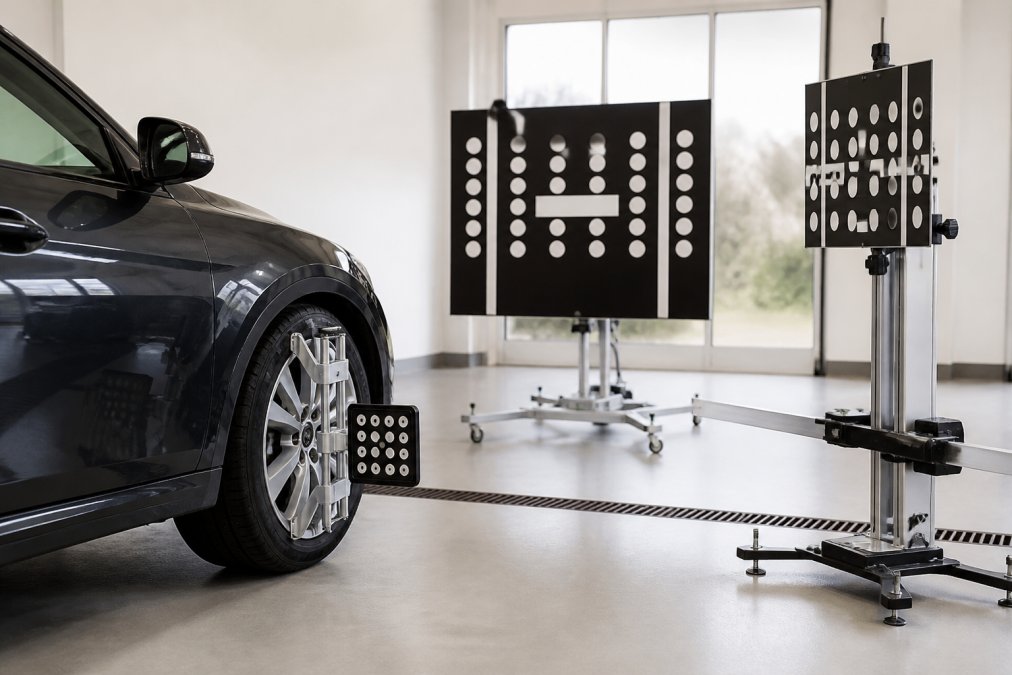
Static calibration uses a stationary target displayed on a screen while your vehicle remains parked. The equipment measures the camera's view against this target and adjusts until it aligns with manufacturer specifications. This method is faster, requires less equipment, and can be done indoors. Most insurance companies cover static calibration without question.
Dynamic calibration requires driving the vehicle on a predetermined route while the system monitors camera performance in real-world conditions. This method verifies the camera works correctly under actual driving conditions. Some manufacturers require dynamic calibration in addition to static calibration for complete accuracy.
Insurance coverage depends on whether your vehicle manufacturer specifies dynamic calibration as a requirement. If required and your policy covers recalibration, your insurer should cover both methods. However, some insurers try to limit coverage to static calibration only. An incomplete recalibration could leave your safety systems unreliable. BL Auto Glass reviews your vehicle's manufacturer specifications and insurance approval to ensure you understand what's covered and what you might owe.
Understanding the Windshield Replacement Insurance Claims Process
The claims process starts when you contact your insurance company or auto glass shop to report damage. Most insurers allow you to file directly or let the glass shop handle filing. Filing through the shop is often faster because they handle paperwork and communicate directly with your insurer.
When filing, provide damage details, when it occurred, what caused it, and your policy information. Your insurer may require photos before approving the claim. Once approved, you'll either be sent to a preferred vendor or allowed to choose your own shop.
The critical step for recalibration coverage happens during claim filing. Explicitly ask whether recalibration is covered under your policy. Many people skip this question and only discover later that recalibration isn't included.
Once approved, the auto glass shop performs replacement and necessary recalibration, then submits the invoice to your insurer. Depending on your deductible and policy limits, you may owe nothing or be responsible for the deductible amount.
Working with an experienced shop like BL Auto Glass eliminates confusion. We file the claim, communicate with your insurance company, verify recalibration coverage before starting work, and submit the final invoice, preventing surprise bills.
Deductibles and Out-of-Pocket Costs: What You Actually Pay
Your deductible is the amount you pay out of pocket before insurance coverage begins. For comprehensive coverage, deductibles typically range from $100 to $1,000, though many policies offer $0 deductible specifically for glass damage (iii.org).
If your comprehensive policy includes $0 deductible for glass damage, you'll pay nothing for windshield replacement. However, this doesn't automatically mean recalibration is free. If your policy covers recalibration, it's typically covered at $0 deductible as well. If recalibration isn't included, you'll be responsible for the full cost regardless of your deductible.
Some insurance companies offer a separate, lower deductible specifically for glass claims (often $0 or $50) while your standard comprehensive deductible might be $500 or higher. Check your policy documents to see if glass has its own deductible.
If you lack comprehensive coverage or your policy excludes glass damage, you'll pay the full cost out of pocket. Many auto glass shops offer discounts for uninsured customers or payment plans.
Another factor affecting costs is whether you choose OEM (original equipment manufacturer) glass or aftermarket glass. OEM glass is more expensive but guarantees exact compatibility with your vehicle's safety systems. Aftermarket glass is cheaper but may require additional calibration verification. Many insurance companies prefer aftermarket glass to reduce costs.
How to Verify Your Insurance Policy Coverage for Recalibration
Start by reviewing your insurance policy documents, specifically the comprehensive coverage section. Look for language about glass damage, windshield replacement, and any mention of ADAS, camera calibration, or safety systems. Contact your insurance company directly and ask: Does my comprehensive coverage include windshield replacement? Is ADAS recalibration covered? What is my deductible for glass damage?

Write down the answers and the representative's name. This creates a record helpful if disputes arise about coverage later.
Next, contact your chosen auto glass shop and provide your policy information. Ask them to verify coverage with your insurance company before scheduling. Experienced shops like BL Auto Glass do this verification as standard practice, confirming exactly what's covered and your out-of-pocket costs before work begins.
If your policy doesn't explicitly mention ADAS recalibration, ask whether it's covered as part of windshield replacement or if it's an additional charge. Some insurers cover it automatically; others require you to request it or add a specific endorsement.
Finally, verify your vehicle's manufacturer requirements by checking your owner's manual or contacting the manufacturer to confirm whether your model requires static calibration, dynamic calibration, or both. This information ensures the shop performs the correct calibration level and gives you a reference point if your insurer tries to limit coverage.
| Step | Action | Timeline |
|---|---|---|
| 1 | Review your policy documents for glass and ADAS coverage | Immediate |
| 2 | Call your insurance company to confirm coverage details | Same day |
| 3 | Contact your chosen auto glass shop with policy information | Before scheduling |
| 4 | Have the shop verify coverage with your insurer | Before appointment |
| 5 | Confirm your vehicle's manufacturer calibration requirements | Before appointment |
| 6 | Review the estimate and out-of-pocket costs | Before work begins |
Whether insurance covers windshield recalibration costs depends entirely on your specific policy and state insurance requirements. Most comprehensive policies cover windshield replacement, but recalibration coverage varies. Verify coverage before scheduling by contacting your insurance company directly and working with an auto glass shop that handles the claims process.
BL Auto Glass simplifies this process. We verify your coverage, handle all insurance communication, perform windshield replacement and recalibration according to your vehicle's manufacturer specifications, and submit the claim to your insurer. Our goal is ensuring you understand exactly what's covered and what you'll pay out of pocket, with no surprises. According to the National Highway Traffic Safety Administration, proper ADAS calibration is essential for vehicle safety systems to function as designed.
Book your appointment with BL Auto Glass today and let us handle the insurance details while you focus on getting back on the road safely.
Frequently Asked Questions
Does a $0 deductible glass policy cover windshield recalibration costs?
Most comprehensive auto insurance policies with $0 deductible glass coverage include windshield replacement but do not automatically cover ADAS recalibration. Recalibration is often treated as a separate service. Florida law mandates $0 deductible for glass replacement under comprehensive coverage, but recalibration coverage depends on your specific policy endorsement. Contact your insurer to confirm whether recalibration is included or if you need an additional endorsement to waive the cost.
Why is windshield recalibration necessary after glass replacement?
When your windshield is replaced, the safety camera sensors mounted behind or on the glass lose their original alignment. ADAS features like lane departure warning, automatic emergency braking, and adaptive cruise control rely on precise sensor calibration. Even a slight misalignment can cause these safety systems to malfunction or fail entirely. Recalibration realigns the sensors to manufacturer specifications, restoring full functionality of your vehicle's safety features.
What's the difference between static and dynamic ADAS calibration?
Static calibration is performed in a controlled environment using specialized equipment and targets. It takes 30-60 minutes and is highly accurate. Dynamic calibration occurs while driving the vehicle on the road, allowing the system to self-calibrate over time. Most shops perform static calibration immediately after windshield replacement to ensure immediate safety. Dynamic calibration may continue for several hundred miles as your vehicle's systems adjust to the new glass and sensor alignment.
How do I file a windshield replacement insurance claim to maximize coverage?
Contact your insurance company first to verify your comprehensive coverage and current deductible. Provide details about the damage and your policy number. Many insurers have preferred glass repair shops; using one may waive your deductible entirely. Get a quote from your chosen shop and submit it to your insurer for approval. Ask your glass provider to handle the claim paperwork directly with your insurance company. Confirm in writing whether recalibration is covered before the work begins to avoid surprise out-of-pocket costs.
This article was written using GrandRanker